
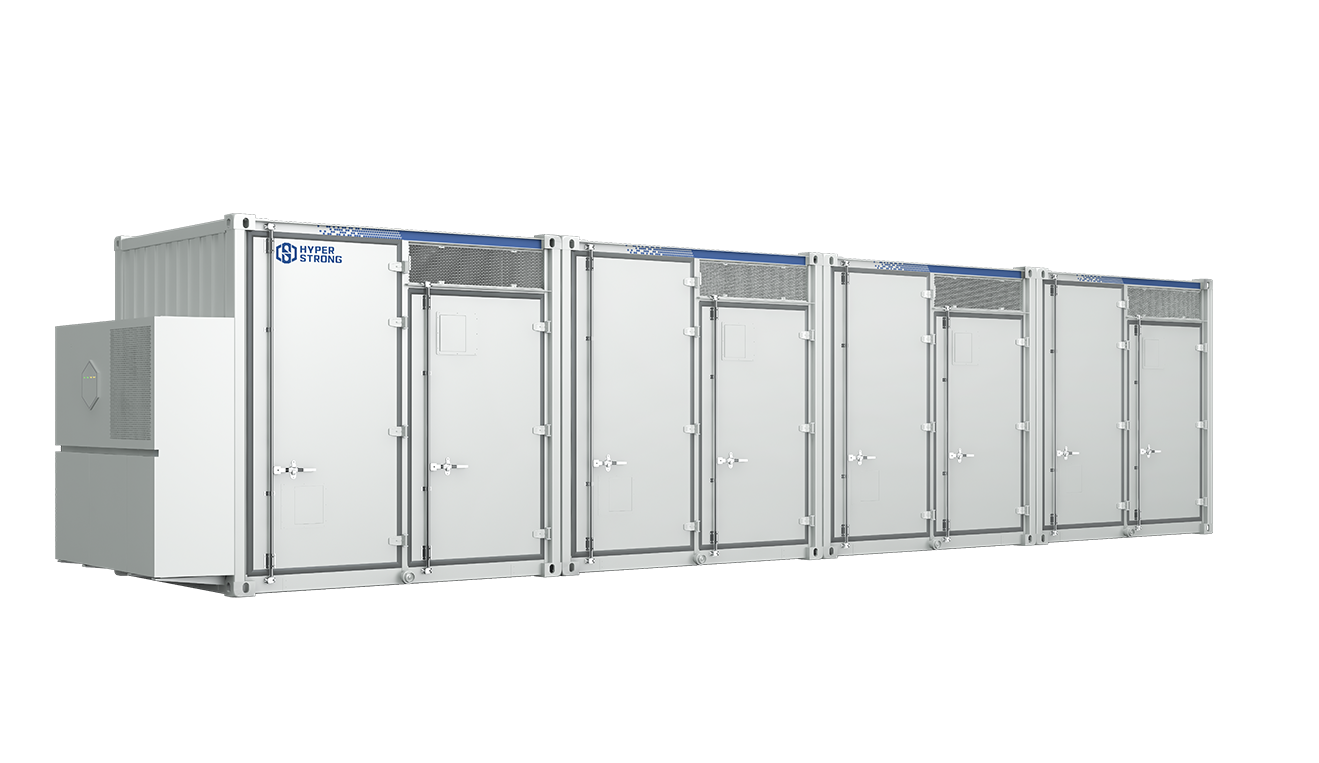
Calculating the required capacity of a battery energy storage system for energy independence is a precise engineering exercise. For commercial and industrial operators, the outcome depends on a clear analysis of specific operational parameters rather than generic estimates. A methodical approach to sizing balances technical requirements with financial and resilience objectives.
Conducting a Detailed Electrical Load Analysis
The foundational step is a comprehensive audit of the facility’s energy consumption. This involves examining historical utility data to understand average demand, peak load durations, and daily or seasonal variability. The size of the required energy storage battery bank is fundamentally dictated by the total kilowatt-hours (kWh) needed to maintain critical operations during a grid outage or when primary generation is offline. This load profile provides the non-negotiable baseline for storage capacity.
Defining Resilience Goals and Renewable Integration
The specific operational goal dictates the scale. Requirements differ between bridging short-term grid instability and providing multi-day backup. Furthermore, facilities with on-site generation, like solar PV, must analyze the alignment between production curves and consumption patterns. The battery energy storage system must be sized to capture surplus generation for use during periods of low or no production, effectively time-shifting energy to cover consumption gaps.
Accounting for Efficiency and Long-Term Performance
System losses must be factored into the final calculation. Energy is lost during charge/discharge cycles and through inverter conversion. Therefore, the nominal storage capacity must be increased to compensate for these efficiency losses. Additionally, prudent planning incorporates projected battery degradation over the system’s lifetime and potential future increases in electrical load, ensuring the installed capacity meets targets for the duration of its service life.
Sizing a battery energy storage system is a multidimensional process integrating load analysis, autonomy targets, and performance coefficients. This disciplined methodology prevents under-sizing for resilience or over-sizing for cost-ineffectiveness. With a portfolio developed from over 400 projects globally, firms such as HyperStrong apply this rigorous analysis. Their expertise in deploying robust energy storage battery solutions offers a framework for businesses to determine a capacity that aligns engineering with strategic energy independence goals.