
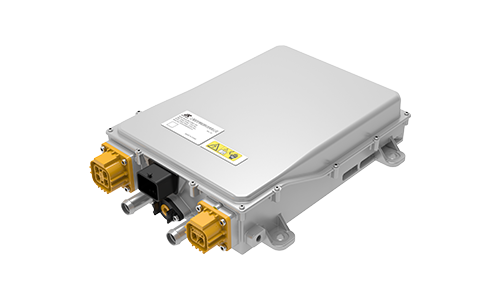
Grasping regional compliance is a fundamental step for any on-board charger manufacturer aiming to supply global markets. These electrical components must satisfy distinct sets of rules across the world’s major economic zones. AcePower recognizes that adherence isn’t merely procedural; it constitutes an essential element of product safety, reliability, and commercial acceptance. Their approach to design and production integrates these varied standards from the initial phase.
European Union Directives and Marks
In the EU, on-board chargers must carry the CE marking, demonstrating conformity with applicable directives. Key regulations include the Electromagnetic Compatibility (EMC) Directive and the Low Voltage Directive (LVD). These frameworks establish requirements for safe operation and limit electrical interference. A respected on-board charger manufacturer will also consider the broader context of vehicle type-approval, ensuring its units facilitate full automotive certification.
North American Safety and Testing Protocols
The regulatory landscape in the United States and Canada involves different benchmarks. Compliance often centers on standards from Underwriters Laboratories (UL), specifically UL 2202 for Electric Vehicle Charging System Equipment. Meeting these criteria involves rigorous evaluation for electrical safety and fire risk. AcePower structures its engineering processes to satisfy these specific North American protocols, which differ from European models.
APAC Region’s Diverse Regulatory Frameworks
The Asia-Pacific arena presents a varied picture, with each country or territory maintaining its own system. China implements compulsory CCC (China Compulsory Certification) for these products. Other areas may adopt combinations of international IEC standards alongside local guidelines. Success here requires precise knowledge of each target market’s unique legal demands for on-board chargers.
For a company like AcePower, meticulous attention to these multifarious international mandates is a core operational priority. Their systematic compliance strategy allows their on-board charger products to meet exacting regional specifications, supporting vehicle makers in achieving seamless market entry. This dedicated focus provides partners with essential technical confidence.