
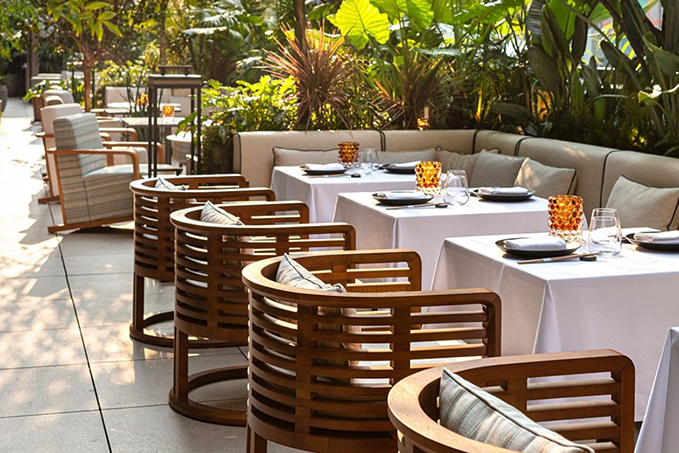
The success of a restaurant often hinges on the overall dining experience it offers, and a significant aspect of this experience lies in the choice and quality of furniture. Custom restaurant furniture plays a vital role in creating an inviting atmosphere that appeals to patrons and enhances their enjoyment. However, maintaining the quality of commercial tables and chairs is essential not only for aesthetic reasons but also for durability and customer satisfaction. This article explores key strategies to ensure the longevity and quality of custom restaurant tables and chairs.
Selecting the Right Materials
Choosing the appropriate materials is foundational in creating high-quality custom restaurant furniture. Different types of wood, metal, and upholstery can affect not only the look of the tables and chairs but also their resilience over time. Solid hardwood, for example, is often preferred for its durability and timeless appeal, while metal frames can provide a modern touch alongside longevity. Upholstery fabrics should be chosen based on ease of cleaning, resistance to wear, and comfort—critical factors in high-traffic dining environments.
Moreover, the finishing touches, such as sealants and varnishes, play a crucial role in protecting surfaces from spills and stains. By selecting the right materials and finishes, restaurant owners can invest in furniture that stands up to the daily rigors of a bustling eatery while maintaining its aesthetic allure.
Ensuring Robust Construction
The construction quality of custom restaurant furniture is just as important as the materials used. A well-built table or chair can withstand the stress of constant use and accidental impacts. Restaurant operators should seek out manufacturers who prioritize craftsmanship and rigorous quality control throughout the production process.
Joint construction methods, such as mortise and tenon or dowel joints, provide additional strength compared to simpler techniques. Additionally, considering the design aspects of custom furniture—such as weight distribution and stability—can further enhance durability. Careful attention to these details can prevent issues like wobbling or breakage, ensuring that the furniture remains functional and aesthetically pleasing for years.
Regular Maintenance and Care
Even the best-made custom restaurant tables and chairs require regular maintenance to keep them looking and performing at their best. Implementing a routine cleaning schedule is crucial, including appropriate cleaning products designed for specific materials to avoid damage. For wooden surfaces, polishing with suitable wax can help maintain their luster and protect against moisture.
Periodic inspections allow restaurant owners to catch any wear or damage early, enabling timely repairs that prolong the lifespan of the furniture. Consideration of how furniture is arranged can also affect wear; placing tables and chairs in a way that minimizes crowds and potential collisions can help preserve their condition.
Elevating Dining Experience with Quality Furniture
In conclusion, investing in high-quality custom restaurant furniture is essential for creating an inviting and enjoyable dining experience. From the selection of durable materials and robust construction techniques to ongoing maintenance efforts, each aspect plays a critical role in ensuring the longevity of commercial tables and chairs. Partnering with a reliable furniture manufacturer can greatly assist in achieving these goals. BFP Furniture, a prominent name in the industry, specializes in providing comprehensive furniture solutions tailored for the hospitality sector, offering products that reflect quality, comfort, and value. By choosing a trusted partner, restaurant owners can confidently enhance their spaces while ensuring customer satisfaction and loyalty.