
The forklift battery market is rapidly evolving as businesses look for smarter, more efficient ways to power their operations. In high-demand environments such as warehouses and logistics centers, traditional battery systems are no longer enough to keep up with modern performance expectations. Companies now require solutions that not only deliver power but also provide insight, adaptability, and long-term value.
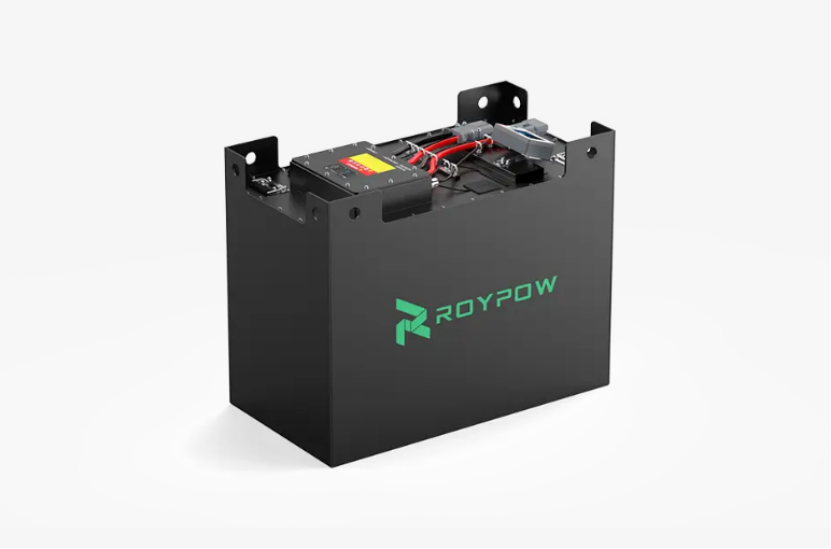
This shift has led to the growing adoption of intelligent battery systems. Advanced solutions—such as 36V lithium forklift batteries—combine hardware, software, and battery management technology into a unified system. The result is a smarter approach to energy use, where real-time monitoring and optimization help reduce downtime and improve operational efficiency.
The Shift Toward Intelligent Battery Systems
As material handling operations become more complex, the role of the forklift battery has expanded. It is no longer just a power source; it is now a key component in overall operational strategy.
Modern smart battery systems are designed to:
- monitor performance in real time
- adjust charging behavior based on usage
- prevent overheating and system failures
- provide actionable data for maintenance planning
This level of intelligence allows businesses to move from reactive maintenance to proactive management, significantly improving reliability across multi-shift operations.
At the same time, integrated systems—where electronics, software, and battery management are developed together—ensure better compatibility and more accurate control over performance.
Why 36V Lithium Batteries Stand Out
Among the available options, 36V lithium forklift batteries have become a preferred choice for many material handling applications, particularly for Class 2 forklifts such as narrow-aisle and high-reach vehicles.
One of their key strengths lies in stable and precise power delivery. Thanks to LiFePO4 chemistry and advanced battery management systems, these batteries maintain consistent voltage even under heavy workloads. This ensures smooth operation and reduces performance fluctuations during demanding tasks.
Another important advantage is flexible charging capability. Unlike traditional lead-acid batteries, lithium systems support opportunity charging. Operators can recharge during short breaks without negatively affecting battery lifespan, which helps maintain continuous workflow in busy environments.
Durability is also a defining feature. With a longer lifecycle and extended warranty coverage, these batteries provide:
- greater long-term reliability
- fewer replacements over time
- improved return on investment
In fast-paced warehouse settings, these benefits translate directly into higher uptime and more predictable performance.
How Smart Technology Improves Daily Operations
The integration of intelligent features is what truly differentiates modern forklift batteries from conventional systems. Instead of simply storing energy, smart batteries actively manage and optimize it.
Key capabilities include real-time diagnostics, thermal regulation, and adaptive charging. Together, these functions help ensure that the battery operates within optimal conditions at all times.
For example, real-time monitoring allows operators and managers to quickly identify potential issues before they lead to equipment failure. Thermal management systems prevent overheating, which is critical in maintaining safety and extending battery life. Meanwhile, adaptive charging adjusts energy input based on usage patterns, reducing unnecessary energy consumption.
These features collectively deliver several operational advantages:
- reduced unexpected downtime
- lower maintenance requirements
- improved energy efficiency
- more consistent equipment performance
By minimizing disruptions and improving predictability, smart batteries enable smoother and more efficient workflows across the entire facility.
Supporting Long-Term Cost Efficiency
Beyond performance improvements, intelligent forklift batteries also play a significant role in cost management. While the initial investment may be higher than traditional options, the long-term savings are substantial.
Lower maintenance needs eliminate routine servicing tasks, while improved energy efficiency reduces overall power consumption. In addition, the extended lifespan of lithium batteries means fewer replacements, which further lowers total ownership costs.
Businesses also benefit from better resource planning. With access to real-time data and diagnostics, managers can make informed decisions about usage, charging schedules, and maintenance timing—reducing inefficiencies across operations.
A Smarter Direction for Forklift Power
As the forklift battery market continues to evolve, intelligent energy solutions are setting a new benchmark for performance and reliability. 36V lithium systems, equipped with advanced battery management and real-time monitoring capabilities, are helping businesses meet the growing demands of modern logistics environments.
For companies looking to upgrade their material handling operations, adopting smart battery technology is more than just a technical improvement—it is a strategic move. By combining efficiency, durability, and data-driven control, these solutions provide the foundation for more resilient and future-ready operations.
In an increasingly competitive landscape, smarter power isn’t just an advantage—it’s becoming a necessity.