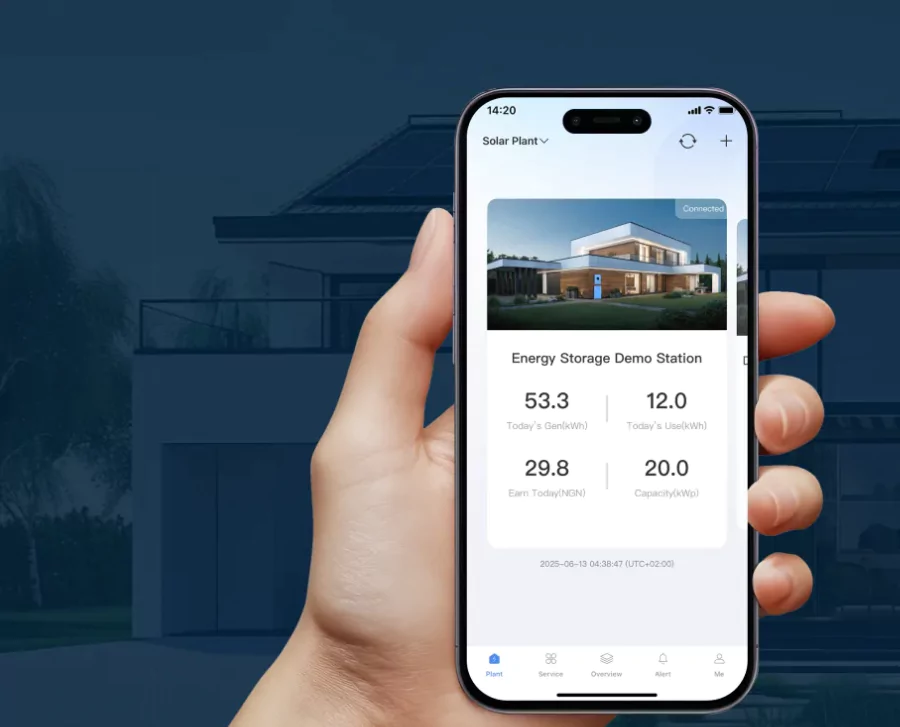
Managing modern residential energy systems requires precise visibility over fluctuating solar generation, household consumption trends, and battery storage states. Deploying an advanced iHEMS platform transforms passive energy tracking into proactive management, helping homeowners maximize self-consumption while lowering overall electricity costs.
Addressing these operational requirements, Ktech provides integrated hardware and software ecosystems engineered for seamless home energy control. By combining self-developed smart management firmware with adaptable residential energy hardware, the enterprise offers international distributors and installers durable, stable solutions backed by customized engineering and technical support.
Understanding Real-Time Data Tracking in Solar Architectures
Photovoltaic energy production varies constantly based on seasonal solar position, atmospheric conditions, and temporary shading. Tracking power flow in real time helps identify efficiency bottlenecks and pinpoints sudden output drops before they impact system performance.
Continuous monitoring mechanisms gather granular data directly from conversion hardware, storage units, and main circuit panels. Analyzing these operational metrics gives users immediate insight into instant generation levels versus live household power demand.
Streamlining Energy Distribution via Automated Load Balancing
Homes with high power demands often experience load spikes during peak afternoon hours, which can strain local energy storage reserves. Automated power routing directs active solar generation toward high-consumption appliances first, reducing reliance on costly utility power.
Intelligent balancing protocols evaluate real-time circuit loads to prioritize essential devices during grid disruptions. Automated switching logic optimizes power allocation without requiring manual adjustments from occupants.
Maximizing Energy Storage Efficiency with Intelligent Control Systems
Battery storage systems perform best when charging and discharging cycles align dynamically with solar production peaks and fluctuating time-of-use utility rates. Standard static charge profiles often fail to adapt to unpredictable household usage habits.
Leveraging the îHEMSess integrated system optimizes charging algorithms based on predictive energy consumption patterns. Intelligent energy storage management preserves battery health while optimizing daily self-consumption ratios.
Identifying Operational Anomalies Through Continuous Diagnostics
Unnoticed wiring faults, degradation in solar panels, or inverter performance dips can cause silent energy losses over extended periods. Automated diagnostic routines continually scan system parameters to detect minor electrical variance early.
Real-time diagnostic platforms instantly flag operational inconsistencies across connected hardware components. Immediate notification systems allow service technicians to address localized maintenance needs before major equipment failures occur.
Unifying Hardware Assets Under a Single Control Platform
Legacy energy setups frequently suffer from compatibility issues when components from different manufacturers use disjointed communication software. Centralizing control into a single unified platform eliminates operational friction and improves monitoring responsiveness.
Integrating hardware with iHEMS capabilities brings solar inverters, battery storage units, and auxiliary loads into one cohesive digital infrastructure. Unified system control simplifies monitoring interface management for both homeowners and service providers.
Leveraging Predictive Analytics to Anticipate Usage Trends
Advanced energy management platforms analyze historical generation and consumption patterns to forecast future household power needs accurately. Factoring localized weather predictions into charging routines helps storage units maintain sufficient capacity during overcast weather.
Predictive algorithms adjust reserve power thresholds automatically prior to expected storm events or high-tariff electricity windows. Dynamic system adjustments maximize operational preparedness while reducing grid dependence.
Safeguarding Data Privacy and System Security in Smart Homes
Connecting home energy hardware to cloud infrastructure requires strong cybersecurity measures to prevent unauthorized external access. Modern smart management systems utilize end-to-end encryption to protect sensitive operational data and user privacy.
Secure communication protocols protect system telemetry exchanged between physical hardware devices and remote monitoring dashboards. Encrypted data channels preserve operational integrity and shield home infrastructure from network threats.
Streamlining Service and Support for Regional Integrators
Installing contractors and regional distributors benefit from centralized remote monitoring tools that display the status of multi-site equipment deployments. Remote visibility minimizes unnecessary on-site service trips and speeds up field maintenance tasks.
Distributors utilizing platform solutions from Ktech gain access to centralized fleet diagnostic dashboards for proactive customer service. Remote system visibility enables rapid troubleshooting, protecting baseline hardware reliability throughout the product lifecycle.
Optimizing Household Self-Consumption Ratios for Long-Term Value
Achieving complete energy independence relies on minimizing power exported back to the grid at low feed-in tariffs. Aligning energy generation directly with local household loads ensures maximum utilization of self-generated green energy. This strategic alignment effectively transforms the household into a self-sustaining power entity with significantly reduced external dependency.
Smart load scheduling operates high-demand appliances during peak solar production windows automatically. Optimizing on-site self-consumption generates steady long-term revenue and shortens the system payback period.
Conclusion
Maximizing residential solar efficiency requires combining high-performance hardware with responsive, intelligent software management. Modern energy control platforms transform complex generation and storage data into actionable optimizations that enhance system reliability.
Through collaboration with Ktech, global energy practitioners gain direct access to tailored hardware configurations, in-house software frameworks, and structured know-how transfer programs. Such integrated capabilities effectively reduce integration risks and accelerate project lifecycle timelines. Enterprises interested in implementing a next-generation iHEMS platform are welcome to reach out and explore sustainable, long-term distribution partnerships.