
Deploying utility-scale energy storage has become a crucial strategic measure for modern grid operators to manage power fluctuations and improve renewable energy integration. By capturing excess generation during low-demand periods and discharging it when consumption peaks, grid-scale systems ensure power stability while maximizing the economic value of clean energy assets.
Among different energy storage applications, utility-scale systems play a critical role in supporting modern power networks. These large-scale installations help improve grid flexibility, enhance renewable energy integration and create new opportunities for energy management. For companies planning large energy projects, understanding how ESS energy storage works and selecting a reliable technology partner are important steps toward achieving long-term operational and financial goals.
The Role of ESS Energy Storage in Grid-Scale Applications
Grid-scale energy storage systems are designed to manage large amounts of electricity and provide flexible support for power networks. Unlike smaller storage systems, utility-scale solutions are typically deployed by power companies, renewable energy developers and industrial organizations that require high-capacity energy management capabilities.
One of the primary advantages of large-scale storage is its ability to balance renewable energy generation. Solar and wind resources are naturally variable, with electricity production changing according to weather conditions and time of day. Energy storage systems can capture excess electricity during periods of high renewable generation and supply power during peak demand periods.
In addition, grid-scale storage supports peak-valley electricity management. By charging during low-demand periods and releasing electricity during high-demand periods, energy storage projects can help reduce electricity costs and improve grid efficiency.
Key Technologies Behind Reliable Grid Storage Systems
The performance of a utility-scale energy storage project depends heavily on battery technology, system integration and safety management. Lithium iron phosphate (LFP) batteries have become a widely adopted choice for large-scale applications due to their strong safety characteristics, long cycle life and stable performance.
For utility customers, safety protection is one of the most important evaluation criteria when selecting an energy storage solution. Advanced systems typically include battery management systems (BMS), thermal control technologies, intelligent monitoring platforms and multiple protection mechanisms. These technologies help maintain stable operation and reduce potential risks throughout the system lifecycle.
Beyond battery performance, effective energy storage solutions require professional system integration. A complete solution should combine batteries, power conversion systems, energy management platforms and monitoring functions to ensure reliable operation under different application conditions.
Choosing a Sustainable Energy Supplier for Long-Term Projects
Selecting the right supplier is a strategic decision for organizations investing in large-scale energy storage. A capable sustainable energy supplier should provide not only advanced products but also strong research capabilities, manufacturing capacity and project support.
Important factors to evaluate include production resources, technical expertise, quality control processes and experience in different energy markets. Since utility-scale storage projects often operate for many years, suppliers must demonstrate the ability to provide reliable equipment and continuous technical support.
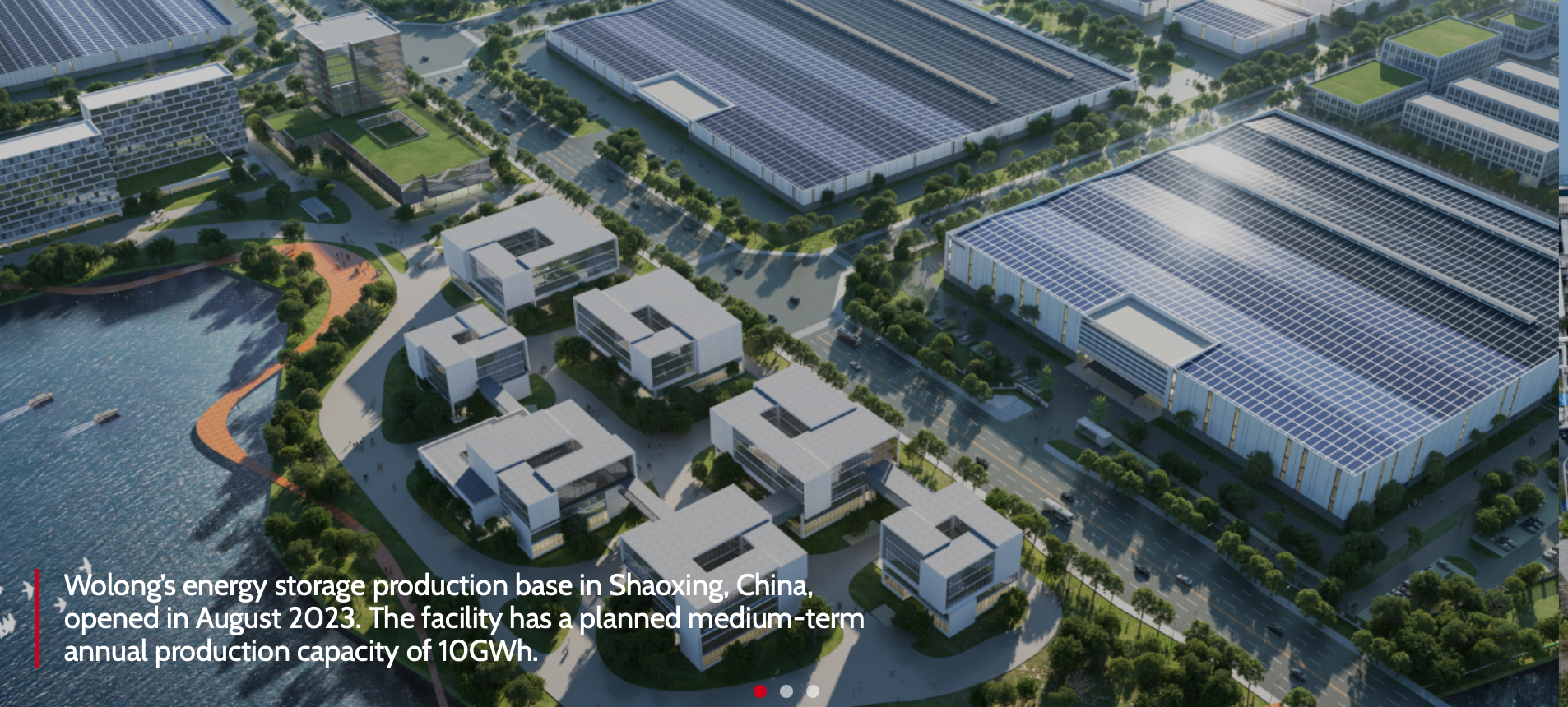
Wolong has developed its energy storage business as the energy storage division of Wolong Electric Drive Group. Driven by rapid growth in overseas orders in 2025, the company leverages two major manufacturing bases with a planned annual capacity exceeding 10 GWh, accelerating its rise as a globally competitive energy storage leader.
Their utility-scale energy storage products are developed to support renewable energy integration, power regulation and electricity management needs. It helps customers store surplus electricity generated from renewable sources, improve energy utilization efficiency and explore business models such as peak-valley arbitrage and energy storage leasing.
Business Benefits of Utility-Scale Energy Storage Investments
For energy companies and industrial users, storage projects are increasingly viewed as strategic investments rather than simple infrastructure purchases. The financial performance of an energy storage system depends on factors such as electricity pricing structures, project design, operational efficiency and long-term reliability.
Utility-scale storage can generate economic value through multiple channels. Renewable energy operators can reduce curtailment by storing excess generation and releasing electricity when demand increases. Industrial companies can optimize electricity consumption by reducing reliance on expensive peak-hour power.
Energy storage leasing models also provide new opportunities for businesses that want to access storage benefits without making significant upfront investments. Reliable manufacturers with strong technical foundations can help customers develop suitable solutions based on specific energy requirements and operating environments.
Wolong’s Contribution to the Future of Grid-Scale Energy Storage
As global energy systems continue moving toward cleaner and more flexible power structures, grid-scale storage will become increasingly important. Companies involved in renewable energy development, power generation and industrial energy management need reliable partners that understand both technology requirements and commercial objectives.
Wolong continues to expand its capabilities in the energy storage sector by combining manufacturing experience, research strength and application-focused solutions. They support global customers seeking dependable storage technologies for renewable energy integration and modern power management.
With growing demand across markets including Europe, Southeast Asia, the Middle East and North America, selecting an experienced energy storage partner is essential for successful project implementation. By working with a capable provider, businesses can improve energy efficiency, strengthen grid resilience and build more sustainable power systems for the future.
For organizations exploring large-scale energy storage opportunities, evaluating technology capabilities, safety performance and supplier reliability will remain key factors in achieving successful energy transition goals.