
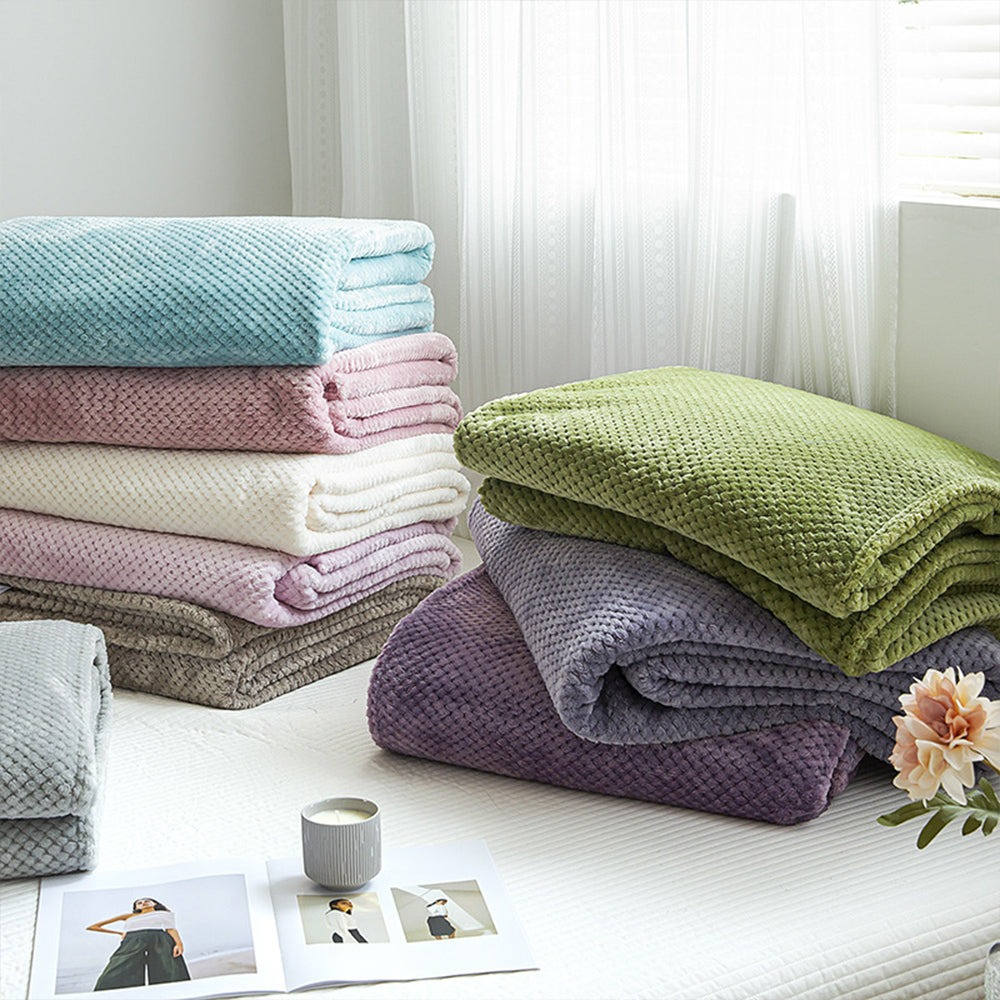
For a lifestyle brand, a blanket is more than a seasonal comfort item. Texture, weight, color, size, and design can all influence how customers perceive the product. A waffle blanket throw is often considered for its textured appearance and casual, layered look, but choosing a blanket for commercial use requires more than selecting an attractive weave. Brands should evaluate the product according to their audience, application, and budget.
Start With the Intended Customer and Use
The right blanket depends first on where and how it will be used. A retail homeware collection may prioritize softness and visual appeal, while a hospitality brand may need practical sizing, repeatable quality, and straightforward care.
Consider whether the blanket will be sold as a standalone product, included in a gift set, offered as branded merchandise, or used as an amenity. This decision can influence choices from material and dimensions to packaging and artwork placement.
A clear use case also makes it easier to decide whether a textured waffle construction or a smoother flannel surface is more appropriate.
Compare Texture, Weight, and Comfort
Texture affects both appearance and tactile experience. Waffle-style fabrics create a raised geometric surface, which can add visual depth and a relaxed homeware feel. For some collections, that texture becomes an important part of the product identity.
Weight is equally important. A heavier blanket may feel more substantial, while a lighter design can be easier to fold, store, and layer.
Bulijojo‘s blanket sample is made from 280 GSM flannel polyester. Its product page describes it as a soft flannel blanket intended for home use and branded applications.
Match the Size to the Product Positioning
Blanket dimensions should reflect the intended use rather than being selected simply because a larger size looks more impressive. A compact throw can suit sofas, chairs, promotional gifts, or travel-related uses, while larger formats provide more coverage.
The current flannel blanket range is listed in sizes from 39 × 59 inches up to 79 × 90 inches. This range gives brand owners room to position the product differently for various customer segments or applications.
If you are developing several products, consistent sizing can also make collection planning and packaging easier.
Choose a Color Strategy That Fits Your Brand
Color is particularly important for blankets because the product usually has a relatively large visual surface. A strong color strategy can connect the blanket with existing packaging, home accessories, seasonal collections, or brand guidelines.
Neutral tones can create a more understated lifestyle look, while stronger shades can make a promotional or seasonal product more noticeable. The choice should depend on the intended customer rather than current trends alone.
The supplied product page states that 15+ colors are ready to ship, giving businesses multiple base-color options before adding their branding or design requirements.
Consider Printing and Custom Branding
A blanket can function as both a practical item and a branding surface. When a waffle and flannel blanket throw is being customized, check how the artwork will interact with the fabric and whether the design remains legible at the final size.
Simple logos, patterns, or carefully positioned graphics can often communicate a brand more effectively than overly complicated artwork. Packaging can also reinforce the same visual identity.
For brands exploring diy flannel blanket concepts, the supplied product specifically supports custom branding and personalised packaging. The page describes logo printing, custom packaging, and options for adjusting details such as logo placement.
Plan Quantity Before Placing the Order
Quantity can significantly affect the economics of a custom textile project. Ordering more units may reduce the listed unit price, but brands should balance this against expected demand, storage capacity, and cash flow.
The flannel blanket range is listed with a minimum order quantity of 100 units on the site’s featured items, and unit prices start at $2.50 depending on size.
These figures provide a useful planning baseline, while final prices and delivery arrangements should be confirmed for the specific order.
Evaluate Production and Approval Requirements
Custom blanket projects should include an artwork review before production. This is particularly important when the blanket will represent a brand publicly or be sold as merchandise.
The product page states that buyers can provide design files, receive a final design mock-up, and give written confirmation before production begins. It also supports standard file formats such as AI, EPS, PSD, and PNG, with vector files preferred for print quality.
This approval stage can help reduce design errors before bulk manufacturing begins.
Select the Blanket That Supports Your Brand
There is no single blanket construction that suits every brand. A waffle blanket throw may be attractive when textured appearance and layered styling are central to the product concept. A flannel blanket can be more appropriate when softness, color variety, and branded customization are stronger priorities.
The key is to evaluate texture, material, weight, dimensions, color, customization, and order quantity together. The current flannel blanket range offers 280 GSM flannel polyester, sizes from 39 × 59 up to 79 × 90 inches, 15+ ready-to-ship colors, and custom branding options, providing a practical specification for brands considering a soft blanket program.
For businesses exploring a diy flannel blanket direction, the right choice is ultimately the one that matches the customer experience you want the product to deliver. The right specification should make the blanket useful, visually consistent, and commercially realistic from the first production run onward.