
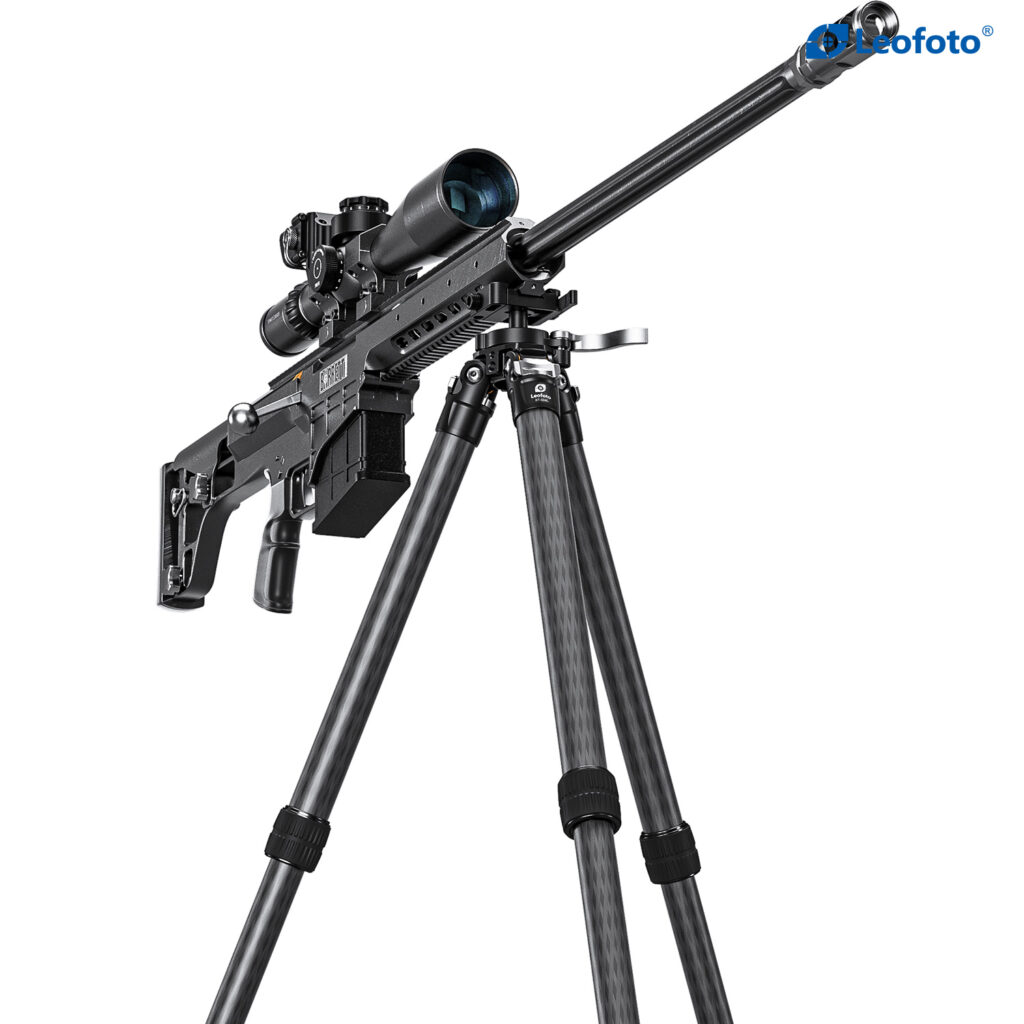
Operators frequently question whether specialized support equipment justifies higher investment when generic alternatives flood the market. Inexpensive setups frequently bow under substantial operational weight, introducing unwanted flex that compromises reticle alignment and optical tracking.
Evaluating genuine value demands examining how structural design, component materials, and locking interfaces perform under environmental stress. Flimsy construction causes persistent vibration during critical observational tasks, turning minor target adjustments into tedious struggles.
Demanding outdoor applications expose compromises built into budget camera and firearm supports. Support gear must endure rough handling, mud, grit, and significant lateral loads while maintaining rigid stability on broken terrain.
Structural Rigidity and Material Integrity Under Mechanical Stress
Structural deflection ruins precision work. Understanding whether professional tripods deliver measurable returns begins with an examination of raw material composition and apex engineering. Lower-tier platforms constructed from basic aluminum castings flex under torsional stress, whereas purpose-built frameworks maintain geometric integrity.
Toray carbon-fiber leg tubes form the foundation of dependable load-bearing stability across four distinct telescoping sections. Utilizing high-grade composite tubing delivers an advantageous weight-to-strength ratio that reduces fatigue during backcountry foot travel without surrendering torsional stiffness.
Composite construction dampens mechanical vibrations faster than standard metal tubing. Natural dampening stabilizes spotting scopes during sudden wind gusts or recoil. Four telescoping segments distribute structural mass evenly, reinforcing overall balance across varied extension heights.
Hard-anodized, CNC-machined 6061 T6 aluminum hardware completes the main mechanical joints. Milled metal junctions resist surface galling and environmental corrosion caused by grit. Engineers at Leofoto machine these structural parts to precise tolerances, preventing loose leg play during heavy operation.
Rapid Engagement Mechanics and Lever Control Operation
Operational speed marks the difference between successful target engagement and missed opportunities in competitive scenarios. Traditional ball head adjustments rely on tension knobs that require repeated twisting, consuming valuable seconds when targets appear unexpectedly. Specialized professional tripods solve this friction by incorporating fluid, rapid-locking interfaces built directly into the chassis.
Utilizing a purpose-built rifle tripod mount requires immediate mechanical response to lock angles without reticle displacement. An integrated lever control ballhead allows shooters to adjust elevation and azimuth with swift single-handed motions. Throwing a single lever locks the sphere solidly, removing the tedious guesswork associated with multi-dial heads.
Speed benefits extend directly to the platform clamp, where a lever-release clamp secures gear instantly. Operators can mount or detach gear in one swift motion, avoiding threaded thumbscrews that loosen under recoil. Rapid clamping mechanics enable fluid transitions between standing positions and supported shooting setups.
Streamlined apex architecture reduces excess bulk, resulting in one of the most compact apex setups available. Pairing an innovative center column platform with a tight hub contour minimizes snag points, allowing smooth draws from scabbards or pack straps.
Low-Profile Footing and Severe Ground Geometry
Unstable backcountry terrain presents steep slopes, slick river rock, and loose gravel banks that challenge balance. Setting up support platforms across non-uniform surfaces requires versatile leg splay rather than fixed preset angles. Mechanical adaptability separates purpose-built field gear from basic camera tripods that struggle on steep hillsides.
Three angle stop positions expand positional capability across broken surfaces. Independent leg spreading permits field operators to level the apex across stepped ledges or boulder outcrops without compromising stability. Expanding legs to the widest setting drops the support close to ground level, enabling steady prone shots from behind cover.
Large diameter rubber feet keep leg sidewalls from touching the ground even at the lowest deployment angles. Isolating carbon composite tubes from direct rock contact prevents exterior abrasion, gouging, and fiber fractures during rugged field service.
Reliable surface traction prevents unintended slippage when applying downward pressure. Wide rubber feet make positive contact with the ground at virtually any angle, establishing a solid anchor on hard shale, wet grass, or mud. Tactical systems produced by Leofoto balance packable weight against structural rigidity, providing steady footing across harsh wilderness settings.
Apex Modularity and Auxiliary Device Integration
Modern outdoor disciplines require mounting multiple accessories alongside primary spotting optics and tactical firearms. Employing a specialized rifle tripod mount should expand mission versatility rather than create equipment bottlenecks. Advanced support hubs incorporate dedicated expansion sockets that transform a standard set of legs into a comprehensive mobile workstation.
A threaded 1/4-inch accessory socket located on the side of the apex provides an ideal mounting location for utility arms. Operators can secure an umbrella against weather, position a smartphone for tracking, or attach a Kestrel device for environmental monitoring. Positioning ballistic tools beside the rifle clamp preserves access to wind readings without requiring awkward brackets.
Compact transport dimensions reinforce practical field value during long excursions across remote territory. Four leg sections collapse into a tight footprint, producing a compact design for effortless carrying. Stowing the collapsed frame into travel luggage or vehicle trunks remains hassle-free, reducing friction between active deployments.
Calculating Long-Term Field Value Across Critical Missions
Determining overall return on investment comes down to operational reliability during high-consequence tasks. Compromised support can lead to missed competitive points, lost hunting shots, or blurred photographic documentation. Choosing professional tripods built with Toray carbon-fiber leg tubes and CNC-machined 6061 T6 aluminum hardware delivers repeatable stability that basic supports cannot match over extended use.
Tangible worth emerges from the seamless integration of structural strength, rapid lever controls, and rugged environmental resilience. Platforms developed by Leofoto justify their investment by combining compact apex packaging, versatile angle stops, and ballhead speed into a dependable package. Equipping outdoor marksmen with a reliable rifle tripod mount delivers the mechanical stability and modular flexibility demanded by challenging field missions.