
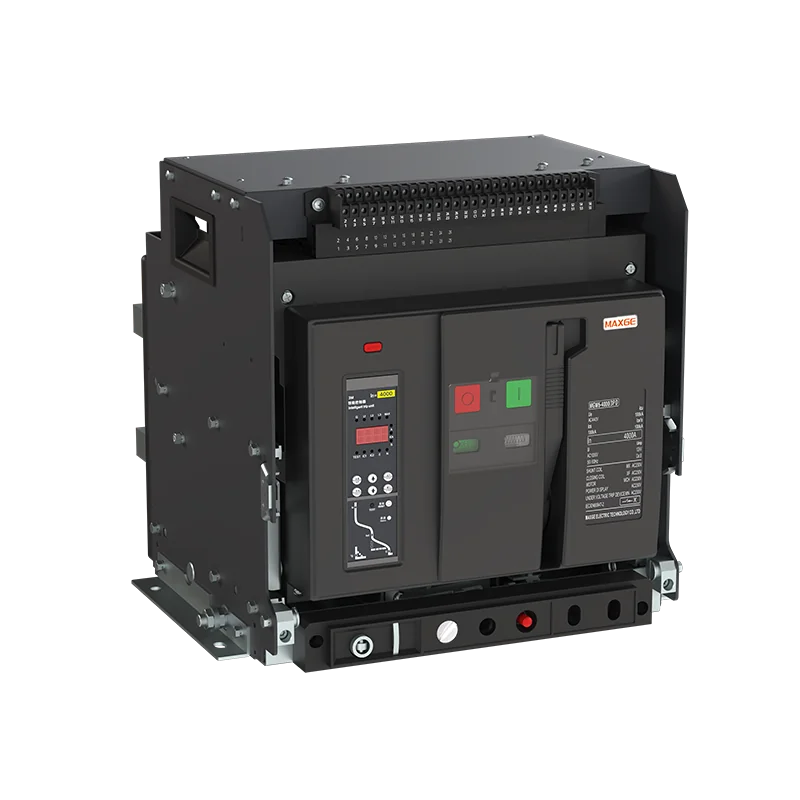
Air circuit breakers play an important role in protecting electrical distribution systems from overloads, short circuits, and other abnormal conditions. Because they are often installed in main distribution panels and high current applications, their condition can directly affect the stability of an electrical system.
Regular preventive maintenance helps identify mechanical wear, electrical deterioration, loose connections, and other potential issues before they develop into unexpected failures. For facilities using electrical control products, understanding proper air circuit breaker maintenance is therefore an important part of long term equipment management.
Why Preventive Maintenance Matters for Air Circuit Breakers
An air circuit breaker operates through a combination of electrical, mechanical, and protection components. Over time, dust, moisture, repeated switching, temperature changes, and electrical stress can affect its performance.
A preventive maintenance program allows technicians to detect these conditions before they cause operational problems. Instead of waiting for a breaker to trip unexpectedly or fail during an important switching operation, maintenance teams can inspect key components according to a planned schedule.
The required maintenance frequency depends on factors such as operating environment, switching frequency, load conditions, and manufacturer recommendations. High current applications or environments with significant dust and humidity may require more frequent inspection.
Understanding Air Circuit Breaker Working Principles
Understanding air circuit breaker working principles makes maintenance procedures easier to organize. An ACB normally uses air as the medium for extinguishing the electrical arc when the contacts separate. When an abnormal current is detected, the protection system sends a trip signal, causing the operating mechanism to open the contacts.
Several components work together during this process, including main contacts, arc contacts, operating mechanisms, trip units, and auxiliary circuits. If any of these parts becomes worn, contaminated, or improperly adjusted, the breaker may not perform as expected.
Maintenance should therefore cover both the electrical and mechanical sides of the breaker rather than focusing only on whether it can open or close.
Key Areas to Inspect During Maintenance
Before inspection, the circuit should be safely isolated according to the site’s electrical safety procedures. Technicians should also refer to the manufacturer’s documentation for specific inspection requirements.
The external condition of the breaker should be checked first. Dust, moisture, corrosion, unusual marks, and signs of overheating can indicate environmental or electrical problems. Ventilation areas and accessible surfaces should be kept clean so that contamination does not interfere with operation.
Electrical connections also require attention. Loose terminals can increase contact resistance and generate additional heat under load. Inspection should therefore include terminals, busbar connections, control wiring, and other accessible connection points.
The contact system is another important area. Excessive wear, pitting, discoloration, or abnormal contact conditions may indicate that the breaker requires further inspection or component replacement.
The operating mechanism should be checked for smooth movement. Unusual noise, excessive resistance, delayed operation, or inconsistent opening and closing can indicate mechanical wear or insufficient lubrication where lubrication is specified by the manufacturer.
Using the Air Circuit Breaker Manual Correctly
The air circuit breaker manual is an essential reference during preventive maintenance. Different models can have different rated currents, protection settings, operating mechanisms, maintenance intervals, and replacement procedures.
Technicians should use the manual to verify recommended inspection intervals, tightening requirements, contact inspection procedures, lubrication points, trip unit settings, and testing methods.
Protection settings deserve particular attention. Incorrect settings can affect coordination between protective devices and may prevent the electrical distribution system from responding appropriately to abnormal conditions.
A maintenance record should also be kept for each breaker. Recording inspection dates, test results, identified defects, component replacements, and protection settings makes it easier to identify recurring issues and plan future maintenance.
Testing After Inspection
Visual inspection alone cannot confirm the complete operating condition of an ACB. Depending on the application and manufacturer’s recommendations, maintenance may include mechanical operation tests, insulation checks, contact resistance measurements, and verification of protection functions.
The breaker should demonstrate consistent opening and closing performance after maintenance. Protection functions should also be verified using appropriate testing equipment and procedures.
Any abnormal result should be investigated before the breaker is returned to normal service. Replacing a worn component or correcting a loose connection during scheduled maintenance can help prevent more serious problems later.
Choosing Suitable Electrical Control Products
Preventive maintenance begins with selecting electrical control products that match the application’s electrical requirements and operating environment. Rated current, breaking capacity, voltage, protection functions, installation method, and coordination requirements should all be considered during selection.
For projects involving main distribution systems, it is also useful to evaluate the technical documentation and after-sales support available from air circuit breaker manufacturers. Clear manuals, product specifications, maintenance guidance, and technical assistance can make installation and long-term maintenance more efficient.
MAXGE provides a range of electrical control products for different electrical distribution and protection applications. Reviewing product information and technical specifications before selection can help ensure that the chosen equipment is suitable for the intended system.
Building a Practical Maintenance Strategy
A reliable maintenance strategy should combine routine inspection with condition based evaluation. Simple visual checks can be incorporated into regular equipment inspections, while more detailed electrical and mechanical tests can be scheduled according to operating conditions and manufacturer recommendations.
Maintenance teams should also pay attention to changes in operating behavior. Frequent tripping, unusual noise, overheating, inconsistent switching, or changes in protection performance should not be ignored simply because the breaker continues to operate.
For facilities with multiple ACBs, standardized inspection records can help maintenance personnel compare equipment conditions and identify breakers that require closer attention.
Reliable Maintenance Starts With the Right Information
Air circuit breakers are critical components in many electrical distribution systems, and their reliability depends on both product selection and proper maintenance. Understanding air circuit breaker working principles, following the air circuit breaker manual, inspecting key components, and carrying out appropriate testing can help identify potential issues and support stable equipment operation.
MAXGE develops low-voltage electrical protection and control products with support from its R&D team, automated manufacturing capabilities, and testing resources, including CNAS-related laboratory capabilities and international certifications. Its product range covers ACBs and other low-voltage products for different power distribution and protection requirements.
For technical specifications, product information, or application support, you can contact MAXGE to discuss suitable electrical control products for your project. Combining appropriate equipment selection with structured maintenance practices can provide a practical basis for dependable electrical distribution.