
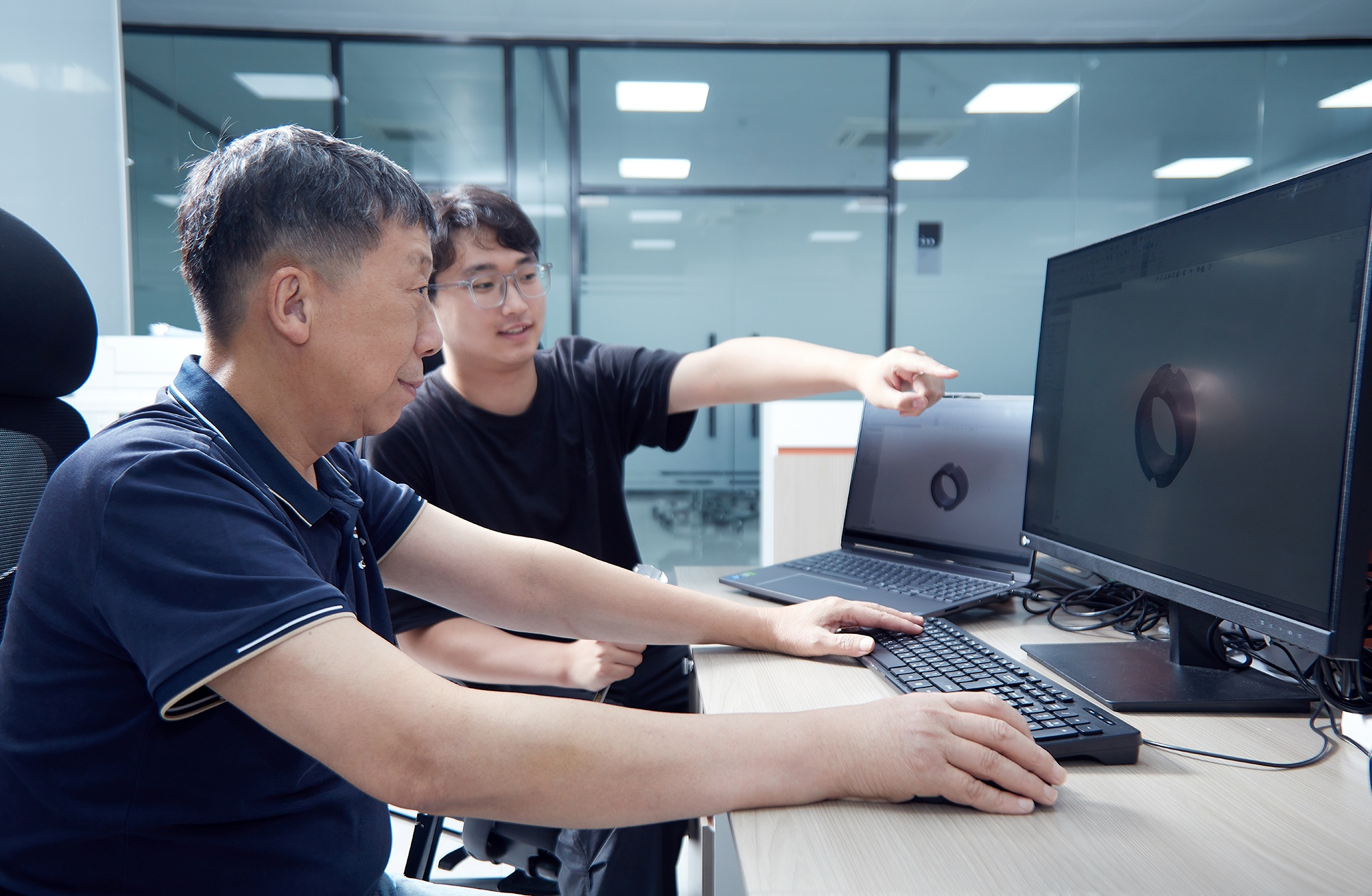
The transition from an innovative healthcare concept to a commercially viable product is one of the most resource-intensive phases in the industrial manufacturing sector. For original equipment manufacturers (OEMs), contract manufacturers, and procurement directors, navigating this trajectory requires far more than visionary ideas and preliminary CAD drawings. A significant number of healthcare technologies stall in what industry insiders refer to as the “valley of death”—the precarious phase where a functional prototype proves too complex, expensive, or unstable to manufacture at scale. Bridging this chasm demands a structured, multidisciplinary methodology. Transitioning smoothly from initial sketches to high-volume commercial manufacturing necessitates rigorous technical oversight, strategic technology transfer, and a seamless alignment between design teams and factory floors to establish supply chain predictability.
Overcoming the Prototyping Trap Through Medical Device Engineering Services
A common pitfall in healthcare product development is treating the prototyping phase as the finish line rather than the starting point for commercialization. While a proof-of-concept (POC) model may successfully demonstrate core functionalities in a controlled laboratory setting, it often lacks the robust structural architecture required for high-yield manufacturing. Components that are hand-assembled or 3D-printed during early clinical trials frequently cannot be replicated efficiently using high-speed automated assembly lines or precision steel tooling.
To navigate this discrepancy, OEMs routinely rely on specialized medical device engineering services to enforce stringent design for manufacturability (DFM) principles from the project’s inception. Expert engineering teams evaluate the conceptual geometry to identify potential manufacturing bottlenecks long before they materialize on the production floor. This proactive approach involves analyzing component count, standardizing polymer and metal materials, and designing parts that are optimized for automated assembly and harsh sterilization processes. By systematically transforming a delicate, conceptual prototype into a rugged, manufacturable asset, technical partners help B2B organizations bypass the costly delays associated with late-stage tooling redesigns and maximize raw material yield during mass production.
Mastering Technology Transfer and Process Validation
The fulcrum of successful commercialization is the technology transfer phase. This is the critical juncture where theoretical designs, material specifications, and preliminary test data are meticulously translated into actionable, repeatable manufacturing protocols. For procurement professionals and supply chain managers, a poorly executed technology transfer can result in significant production downtime, quality inconsistencies, and severe regulatory non-compliance.
A methodical approach to this phase involves establishing comprehensive standard operating procedures (SOPs) and rigorous process validation frameworks. Before commercial production, critical equipment and processes should be qualified or validated according to their impact on product quality and the approved validation plan. This testing verifies that the machinery—whether it involves cleanroom molding presses, micro-extrusion lines, or automated laser welding stations—operates consistently within predefined parameters. Establishing a defined process window helps demonstrate that production consistently meets approved specifications and acceptance criteria.
Driving Iterative Refinement in Medical Device R&D
Research and development in the healthcare sector extends far beyond the initial invention phase; it is an ongoing process of refinement geared toward large-scale operational viability. Effective medical device R&D focuses heavily on aligning product performance with commercial realities, including unit cost targets, long-term supply chain availability, and evolving global regulatory landscapes.
During the critical transition to mass production, research teams engage deeply in Verification and Validation (V&V) activities. Design verification confirms that design outputs meet the specified design inputs, while design validation confirms that the device meets defined user needs and intended uses. By conducting simulated use testing, accelerated aging studies, and environmental stress screening, developers are able to identify latent design flaws or bio-compatibility risks that only emerge during extensive use. Integrating these advanced developmental activities directly into the pre-production workflow allows manufacturers to continuously optimize the product’s architecture, promoting superior field reliability and reducing the likelihood of post-market recalls.
Consolidating Workflows with Integrated Commercialization Partners
Fragmented development strategies—where design, prototyping, and manufacturing are handled by entirely separate entities—often introduce significant operational friction. The handoff between an independent industrial design consultancy and an isolated contract manufacturer is notoriously prone to data loss, misinterpretation of dimensional tolerances, and misaligned quality expectations. These disconnections routinely inflate development budgets and postpone critical product launch dates.
Consolidating the product lifecycle under a unified operational umbrella offers a distinct strategic advantage. Kingsin supports customized biomedical devices, modules, and consumables through product design support, DFM, prototyping coordination, manufacturing, and agreed technical documentation—integrated providers help eliminate the friction characteristic of multi-vendor supply chains. This coordinated structure can support consistent quality controls and clearer communication between engineering and production teams.
Conclusion
Transitioning a healthcare device from an ambitious concept to a reliable, commercially manufactured product is a complex endeavor fraught with technical, financial, and operational hurdles. To successfully navigate the trajectory from early-stage prototyping to high-volume market release, business leaders must prioritize manufacturability, meticulous technology transfer, and rigorous process validation. Relying on integrated technical expertise allows B2B organizations to effectively bridge the gap between theoretical design and practical production. By partnering with experienced firms like Kingsin, OEMs and specialized distributors can confidently scale their innovations. This holistic, lifecycle-focused approach helps ensure that cutting-edge healthcare solutions not only achieve regulatory clearance but are strongly positioned for sustainable, cost-effective commercialization in a highly competitive global market.