
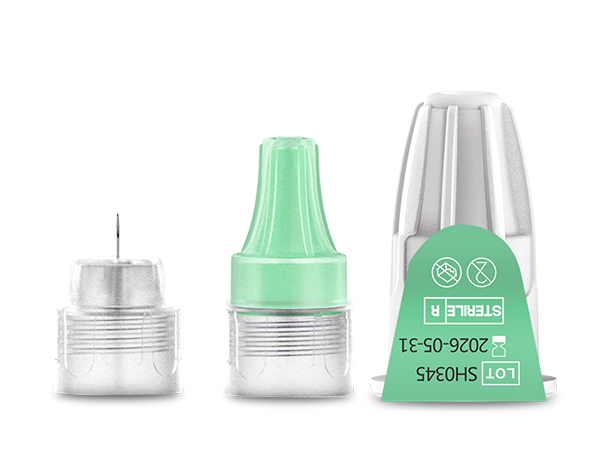
Managing blood glucose levels frequently involves routine subcutaneous injections. To an outside observer, the small disposable devices attached to medication pens might appear largely identical. However, significant structural and functional variations typically exist across different brands and models available on the market today.
Recognizing these distinctions generally helps individuals optimize their daily therapeutic routines. Buyers sourcing medical supplies for healthcare facilities also frequently depend on this knowledge. Selecting an appropriate option often influences overall patient comfort and the general reliability of medication delivery.
Key Distinctions Among Insulin Pen Needles
The physical dimensions of insulin pen needles usually represent the most noticeable point of variation. Manufacturers typically offer diverse sizes to accommodate varying body types and skin thicknesses. The two primary measurements to consider generally include the length of the tubing and its gauge.
Insulin pen needles are available in a range of lengths, with shorter options ususally used for subcutaneous insulin administration. Shorter options are commonly recommended by medical professionals, as they generally reduce the risk of accidental intramuscular injections. Conversely, specific clinical scenarios might occasionally necessitate the use of slightly longer variations.
Evaluating Gauge Sizes and Tubing Thickness
The gauge denotes the outer diameter of the tubing. A higher gauge number typically indicates a thinner profile, which may contribute to a gentler insertion experience. Devices frequently come in standard measurements such as 29G, 30G, 31G, and 32G.
Thinner profiles are often preferred for standard daily use. However, some thicker medications might occasionally require a lower gauge to facilitate a smoother fluid flow. Healthcare providers generally evaluate these factors when suggesting specific sizes for daily therapy routines.
Material Quality and Production Standards
The raw materials utilized during manufacturing typically play a crucial role in product performance. Reputable producers often utilize high-grade materials, such as 304 stainless steel, for the tubing. This specific alloy is widely recognized for its durability and resistance to structural deformation during insertion.
Furthermore, adherence to international regulatory frameworks often separates premium products from generic alternatives. Buyers usually look for specific certifications to verify performance claims. These rigorous production standards generally promote a more consistent and reliable user experience over time.
The Significance of ISO 11608-2 Compatibility
Compatibility with various medication delivery pens is a frequent concern for users. ISO 11608-2 specifies requirements and test methods for single-use, double-ended pen needles, including aspects related to their interface with compatible pen injectors. This specific testing protocol usually evaluates the binding force between the needle base and the tubing.
Products meeting these criteria are typically compatible with a wide array of commercially available injection pens. This standardized compatibility often prevents medication leakage and generally supports an accurate dose delivery. Facilities purchasing supplies usually prioritize this standard to minimize equipment mismatches.
Advanced Sterilization and Shelf Life Parameters
Maintaining sterility is widely considered a paramount concern in any subcutaneous delivery system. Advanced manufacturing facilities frequently employ robust radiation sterilization methods. This approach is typically designed to achieve a Sterility Assurance Level of 10-6, reducing contamination risks.
Proper sterilization generally protects users from potential localized infections. Additionally, the sterilization method often influences the overall longevity of the unopened product. Buyers usually review these metrics carefully to manage their medical supply inventories effectively.
Long-Term Storage and Reliability with SteriLance
Established manufacturers typically engineer their products to maintain structural integrity over extended periods. For instance, SteriLance generally provides different products with a verified extended shelf life. This extended duration usually requires appropriate storage conditions, away from extreme temperatures or direct moisture.
This extended shelf life typically allows institutions to maintain safety stocks without frequent turnover. Users purchasing supplies in bulk may also benefit from this extended viability. Reliable longevity generally provides peace of mind for those managing chronic conditions.
Design Enhancements
Beyond basic dimensions, subtle design enhancements frequently impact the overall user experience. Many modern options incorporate specialized silicone lubrication on the exterior surface. This coating generally allows the metal to glide more smoothly through the skin, which may decrease perceived discomfort.
Additionally, the tip geometry is usually a focus of extensive engineering. Manufacturers frequently utilize multi-bevel designs to create a sharper, more precise cutting edge. These microscopic angles generally reduce the penetration force required, which can make daily therapy slightly more manageable.
Inner Diameter and Fluid Flow Rates
Some advanced designs employ thin-wall technology, which typically increases the inner diameter while maintaining the same outer gauge. A larger internal pathway usually facilitates a faster flow rate for the medication. This feature may reduce the thumb pressure needed to depress the pen button.
A smoother medication flow generally shortens the time the device needs to remain embedded in the skin. This efficiency is often appreciated by individuals requiring larger doses. Such engineering improvements typically reflect a commitment to enhancing overall patient usability.
Purchasing Decisions
Navigating the available options usually requires balancing individual medical needs with specific product features. Users are frequently advised to consult with their healthcare teams before transitioning to a different brand or size. Medical professionals can generally provide personalized recommendations based on clinical assessments.
Institutional buyers typically prioritize products that demonstrate consistent compliance with international quality standards. Reviewing technical specifications, such as materials and sterilization methods, usually helps in identifying dependable suppliers. Informed decisions generally lead to safer and more effective care environments.
Disclaimer: This content is provided for general health education and informational purposes only. It does not constitute medical advice, diagnosis, or treatment. Individual health conditions vary, and no health education article can replace a face-to-face consultation with a qualified healthcare professional or licensed medical institution. If you have specific health concerns or feel unwell, please seek care from a licensed medical facility and do not delay treatment because of content on this platform.