
Adequate gas exchange requires a complex balance between the skeletal muscles of the chest wall and the elasticity of lung tissue. When chronic conditions weaken this relationship, the respiratory system struggles to perform its vital function of extracting oxygen and shedding metabolic waste.
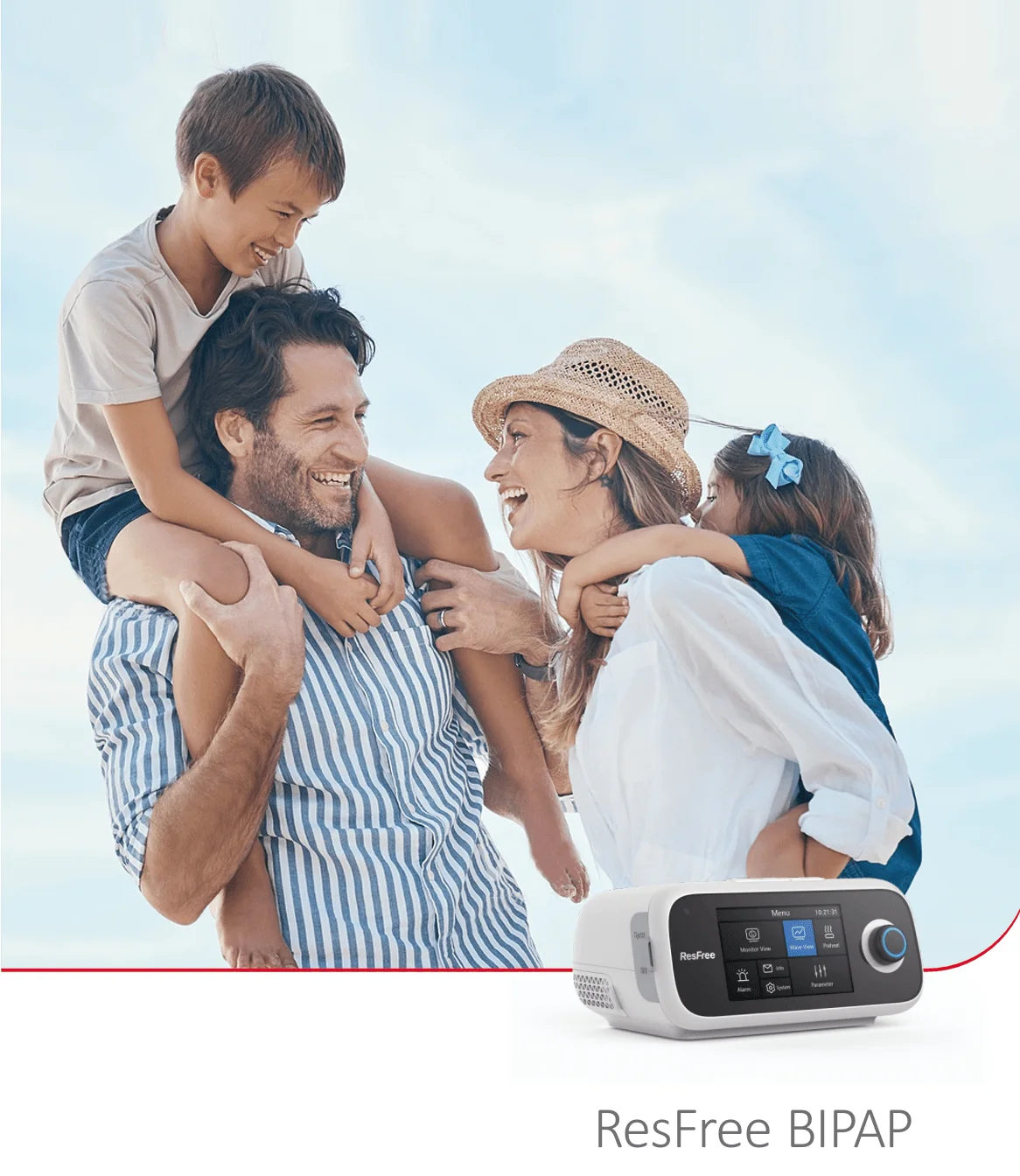
Deploying a sophisticated BiPAP medical device helps support individuals experiencing structural or functional respiratory fatigue. By offering external pressure assistance, this technology helps stabilize the mechanical process of breathing when natural effort becomes insufficient.
Without target assistance, shallow breathing leads to diminished blood oxygen saturation and progressive physical exhaustion. Stabilizing this physiological cycle remains necessary to protect overall metabolic health and preserve vital organ functions over time.
The Mechanical Principles of Dual-Level Positive Airway Pressure
Dual-level positive airway pressure operates by delivering two distinct, synchronized pressure levels to the respiratory tract. The system shifts automatically between a higher inspiratory pressure and a lower expiratory pressure according to the natural respiratory cycle.
This mechanical variance provides a significant advantage over a single-pressure CPAP device, which maintains an unyielding baseline flow. The pressure differential acts as an external force that reduces the work required to expand compromised lungs.
By matching the natural rhythm of the user, dual-level therapy lowers the energetic cost of breathing. This physical relief allows fatigued respiratory muscles a crucial opportunity to rest and recover during prolonged periods of use.
Overcoming Carbon Dioxide Retention in Chronic Pulmonary Conditions
Progressive lung diseases frequently cause air trapping, a condition where stale air remains stuck in the alveoli at the end of exhalation. This dynamic directly leads to hypercapnia, which can manifest as morning headaches, confusion, and systemic acidity.
Utilizing a dedicated BiPAP medical device assists the body in clearing this trapped carbon dioxide gas more efficiently. The lower expiratory pressure setting allows the lungs to empty completely without fighting against excessive resistance.
Enhancing the elimination of waste gasses stabilizes the internal chemical balance of the circulatory system. Managing this critical aspect of ventilation significantly improves daily comfort levels and reduces acute clinical emergencies.
Advanced Volume Assurance Technology and Tidal Volume Stability
A common challenge in home respiratory care involves fluctuations in the volume of air entering the lungs due to changing sleep positions. If the volume drops too low during deep sleep stages, the effectiveness of the therapy decreases.
Modern systems feature the specialized ResFree BiPAP Series, which integrates advanced Volume Assured Function technology to protect users. This algorithm monitors airflow patterns and dynamically alters pressure delivery to guarantee a consistent Target Tidal Volume.
This intelligent safety layer ensures that the lungs receive appropriate ventilation regardless of physiological changes. It shifts the therapeutic focus from simple pressure maintenance to reliable volumetric protection.
Enhancing Patient-Ventilator Synchrony for Long-Term Compliance
The success of home ventilation depends heavily on how well the machine recognizes the exact moment a patient attempts to breathe. Poor synchronization creates a jarring experience, causing the user to fight against the machine’s natural cycle.
Highly responsive internal flow sensors resolve this conflict by tracking micro-changes in airflow acceleration. These components allow the device to adjust its transitions instantly, mirroring the unique breathing signature of each individual.
When a device responds naturally to user intent, the psychological and physical barriers to therapy disappear. This seamless interaction remains the ultimate goal for ensuring long-term adherence to prescribed home treatments.
Distinguishing Therapy Requirements from Standard Obstructive Apnea Care
It remains crucial for medical procurement professionals to distinguish between different types of positive airway pressure equipment. While an obstructive condition might require a standard CPAP device to keep the tissue open, muscle insufficiency demands active ventilation.
Complex sleep apnea and restrictive lung conditions involve a failure of the neural respiratory drive or chest expansion. These specialized cases necessitate multi-level support capable of compensating for periods of shallow or completely absent breathing.
Understanding these mechanical differences allows global distributors to source the correct therapeutic tools for their clinical networks. Providing the precise level of intervention directly impacts patient safety outcomes.
Industrial Innovations in Contemporary Respiratory Manufacturing
The growing demands of the international healthcare market encourage specialized manufacturers to optimize their engineering workflows. Successful enterprises invest heavily in internal quality control and advanced automated production environments.
Within this global medical landscape, Beyond demonstrates comprehensive technical expertise in developing advanced respiratory solutions. The enterprise focuses on delivering reliable, factory-direct equipment designed to support patients with complex clinical requirements.
Operating dedicated, in-house surface-mount technology workshops enables precise control over the electronic integrity of every machine produced. This industrial capability ensures that complex ventilation systems operate flawlessly in diverse domestic environments.
Global Compliance and Technical Evaluation Parameters for Distributors
International medical device distributors rely on strict compliance portfolios when selecting equipment partners for long-term collaboration. Devices must satisfy rigorous technical testing and obtain authorized global quality certifications.
Acquiring recognized registrations, such as MDR-CE, FDA, and ANVISA, validates that a manufacturer maintains exceptional production standards. These credentials give hospital procurement teams absolute confidence in the safety profiles of the equipment.
Comprehensive factory warranties and accessible technical support networks further reduce operational risks for commercial partners. Solid engineering combined with transparent support structures creates a foundation for enduring global trust.
Conclusion
Managing chronic respiratory insufficiency demands an understanding of how dual-level positive pressure platforms stabilize gas exchange. While a single-pressure CPAP device addresses basic upper airway blockages, more complex pulmonary conditions require multi-level mechanical assistance.
Utilizing an advanced BiPAP medical device equipped with volume-assured technology ensures that vulnerable individuals receive stable, protective ventilation throughout the night. These specialized features effectively mitigate the risks associated with carbon dioxide retention and shallow breathing.
By merging precision manufacturing with targeted clinical insight, Beyond remains dedicated to advancing the standards of global respiratory care. Continuous engineering breakthroughs provide medical networks with the reliable, cost-effective solutions needed to protect human health worldwide.