
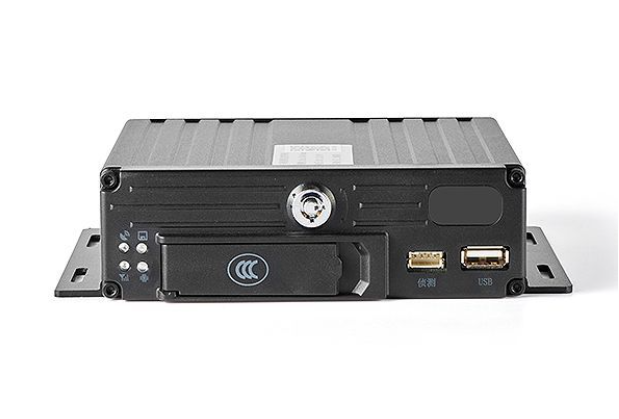
Selecting a mobile digital video recorder involves more than checking the number of camera inputs. Fleet buyers also need to compare video quality, storage, network performance, AI functions, installation conditions, and platform compatibility.
For fleets that need front, rear, cabin, and side views, a 4 channel MDVR can provide practical coverage without making the system too complicated. The right choice depends on vehicle type, route conditions, monitoring goals, and how the recorded data will be used.
What Should Buyers Check First
The buying process should begin with the fleet’s actual monitoring needs. Logistics vehicles may need road, cargo, and driver views. School buses may focus on cabin activity and exterior conditions. Mining and engineering vehicles may require more attention to blind areas around large vehicle bodies.
Camera positions should be planned before the recorder is selected. Buyers should define which areas need continuous recording and which views are mainly used for event review.
Network requirements also matter. A 4G LTE MDVR can support remote access to selected video, alerts, and positioning data when vehicles operate away from a central depot.
Video Quality and Storage Capacity
Image quality affects how useful footage will be after an event. Clearer video can help fleet teams review road conditions, vehicle movements, lane changes, and driver behavior. However, higher resolution also requires more storage space.
Buyers should estimate recording time based on camera count, resolution, frame rate, daily operating hours, and retention requirements. Long-haul fleets may need more local storage than vehicles that return to base after short routes.
When comparing a 4 channel MDVR, buyers should also confirm whether all four channels can record at the required quality at the same time. Specifications should be reviewed by actual channel performance rather than one maximum resolution figure.
Network Access and Remote Monitoring
Remote monitoring becomes more useful when vehicles operate across several cities or stay on the road for long periods. Fleet managers may need to review alarms, location information, or video without waiting for the vehicle to return.
A 4G LTE MDVR can support real-time uploads or event-based transmission. Buyers should ask how the device handles unstable mobile signals, network reconnection, and data consumption.
Continuous live streaming can use significant bandwidth. For many fleets, event-triggered uploads may provide a more practical balance between visibility and mobile data use.
AI Functions Should Match Fleet Risks
AI functions should be selected according to actual operating risks. ADAS can support road-event monitoring, while DMS can help identify certain driver-related behaviors. BSD can support blind-spot awareness when vehicles operate in crowded yards, urban roads, or narrow work areas.
Buyers should also consider how alerts are managed. Too many low-value notifications can create extra review work. Alarm thresholds should be configurable so fleet teams can focus on events that require attention.
This is one area where BSJ Technology ED02R can be used as a reference. The device supports high-definition four-channel video recording, real-time uploads, and AI functions including ADAS, DMS, and BSD. Its design is aimed at fleet monitoring, operational review, and compliance-related applications.
Installation and Vehicle Compatibility
Installation quality can affect long-term system stability. Buyers should check available mounting space, power supply conditions, cable routing, camera interfaces, antenna positions, and maintenance access.
Different vehicle models may require different installation layouts. Distributors and system integrators should therefore consider whether the supplier can support hardware adaptation or project-specific configuration.
A 4 channel MDVR installation should also allow technicians to access storage media, wiring, and communication components during later inspections. Poor access can increase service time when maintenance is required.
Platform Integration and Project Support
A recorder rarely works as an isolated device in a commercial fleet. It may need to connect with GPS systems, dispatch software, fleet management platforms, or other telematics tools.
Buyers should confirm communication protocols, available interfaces, and compatibility with third-party software before a large deployment begins. This is especially important for system integrators that already manage established platforms.
BSJ Technology supports integration with third-party platforms such as Wialon and GpsGate. They also provide OEM and ODM cooperation, supported by more than 400 research and development personnel and a global technical support department.
For a 4G LTE MDVR project, buyers should therefore evaluate hardware, software integration, customization requirements, delivery planning, and technical support together instead of comparing unit price alone.
A Practical Final Check
Before placing an order, fleet buyers can prepare a checklist covering camera layout, channel performance, storage time, mobile connectivity, AI functions, vehicle compatibility, platform integration, and maintenance needs.
Pilot installation on several vehicles can also reveal issues that are difficult to identify from specifications alone. Network quality, camera angles, alert frequency, and installation access can all be reviewed during this stage.
A suitable four-channel system should match how the fleet actually operates. By comparing products through practical operating conditions, buyers can make clearer decisions about recording, remote supervision, incident review, and long-term fleet management.