
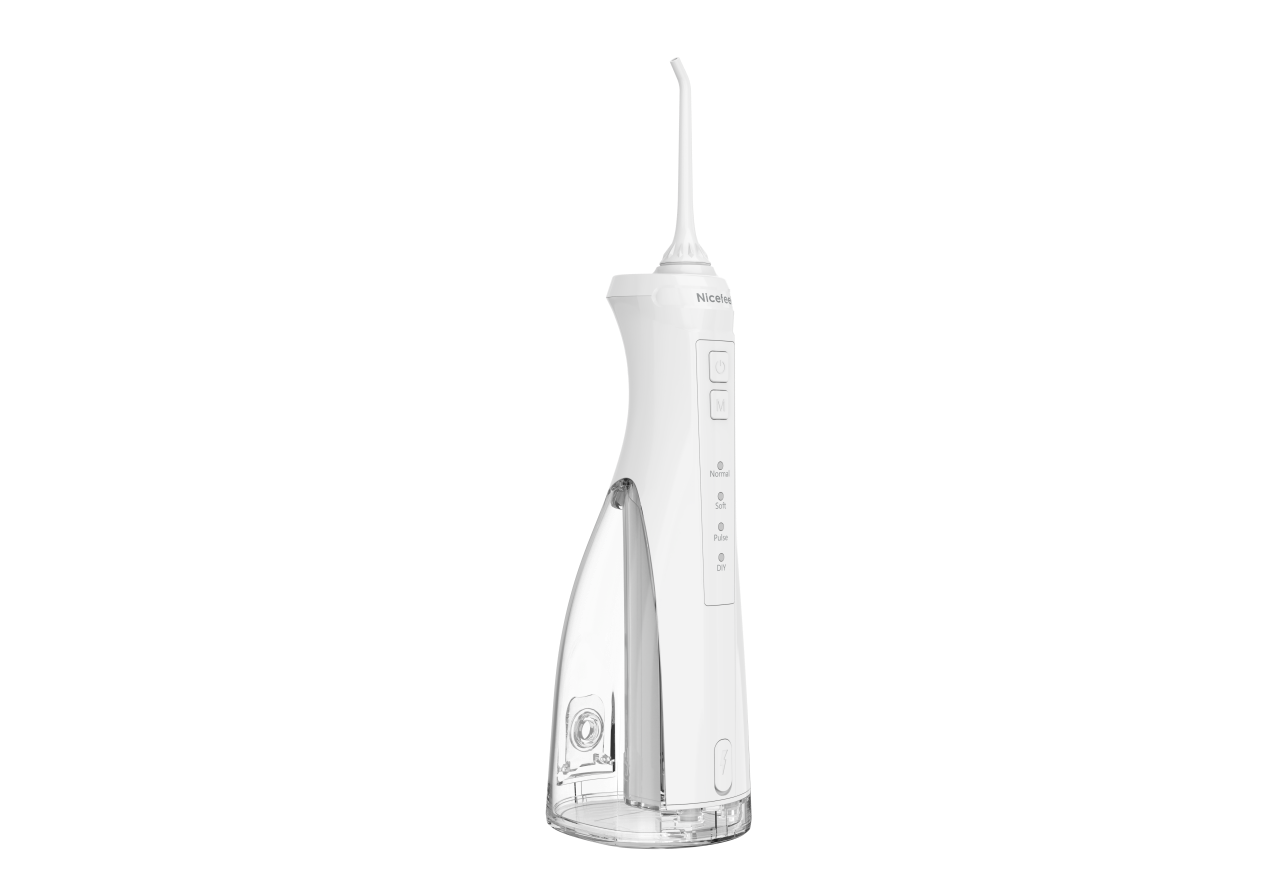
A cordless water flosser can make interdental cleaning easier to fit into a daily routine, but good results depend on how the device is used. A practical routine includes filling the tank correctly, selecting a comfortable pressure, guiding the nozzle methodically, and cleaning the device afterward.
The American Dental Association recognizes water flossers as powered interdental cleaners. Interdental cleaning can help remove food debris and plaque from areas that toothbrush bristles cannot effectively reach. The ADA recommends cleaning between teeth once a day, with the best time being the time that fits consistently into the user’s schedule.
Start With the Right Pressure
One important habit with a portable electric oral irrigator is starting at a comfortable pressure instead of immediately choosing the strongest setting. A controlled water stream should be easy to direct around the teeth and gumline without making the routine uncomfortable.
Flycat’s FC5610 provides a 20–120 PSI pressure range and four cleaning modes: high, low, pulse, and DIY. Users can adjust the setting according to their routine, while following product instructions remains important when they have specific dental needs.
Fill the Tank Before Starting
The FC5610 has a 280 mL water tank that seamlessly encircles the main unit. Its tube-free water intake system is another feature built into the product’s portable design.
Before use, fill the reservoir with clean water and check that the tank is properly secured. Preparing the water first also helps prevent unnecessary interruptions during cleaning and keeps the routine straightforward.
Use a Consistent Nozzle Path
Technique matters as much as device settings. Place the nozzle close enough to the teeth for controlled water delivery, then move systematically along the gumline and between teeth rather than repeatedly focusing on one location.
A consistent sequence can reduce the chance of skipping areas. The goal is thorough interdental cleaning rather than simply operating the device at its strongest setting.
Choose a Routine You Can Repeat
The ADA notes that once-daily interdental cleaning is recommended and that either brushing or interdental cleaning can come first, provided cleaning is thorough. This makes consistency more important than choosing a supposedly perfect time of day.
A portable electric oral irrigator can fit naturally into a morning or evening routine. Some users may also prefer cleaning after a meal. Establishing one reliable routine can make it easier to continue the habit over time.
Pay Attention to Mode Selection
Different modes can make daily operation more adaptable. The FC5610 includes high, low, pulse, and DIY modes, giving users several operating choices. Users can identify which mode fits their normal routine and use other options when they want a different experience.
For product education, mode descriptions should remain simple and accurate. Clear explanations can help users understand preset and customizable operation without suggesting that one setting is suitable for everyone.
Clean the Device After Use
Water-contact products require regular care. After use, empty remaining water from the tank instead of leaving stagnant water inside. Rinsing removable components and allowing them to dry according to the manufacturer’s instructions can support everyday hygiene.
The FC5610 is rated IPX7 for waterproofing, but waterproof protection does not eliminate maintenance. Users should still follow the cleaning and storage instructions supplied with the product.
Keep Charging in the Routine
The FC5610 uses a 1500 mAh rechargeable battery, with DC 5V, 1A input and a charging time of no more than 3.5 hours. Cordless operation removes the need for a power cable during cleaning, but regular charging remains part of ownership.
Keeping the device charged can help avoid discovering an empty battery when it is time for oral care. For everyday users, adding charging to an established household routine can make cordless operation more predictable.
How Flycat Supports Portable Oral Care
For brands developing a cordless water flosser for teeth, product usability needs a coherent hardware configuration. Flycat’s FC5610 combines a 280 mL encircling tank, four cleaning modes, a 20–120 PSI pressure range, and a 1500 mAh rechargeable battery in an 88 × 73.5 × 227 mm handheld format. Their product page lists a net weight of approximately 358 g.
Flycat positions the FC5610 for oral-care brands and distributors. The product page states that the main body, control panel, top cover, and water tank can be customized with colors and surface finishes, while logo printing and packaging options are also available.
What Brands Can Review With Flycat
When evaluating a portable electric oral irrigator for a product line, brands can review daily-use factors together instead of treating specifications separately. Tank capacity, pressure range, modes, dimensions, weight, charging time, waterproofing, and noise level can all affect product positioning.
Flycat’s broader oral-care manufacturing platform supports OEM/ODM projects. Their facility spans over 20,000 square meters and employs more than 600 people, including over 40 R&D engineers. The company operates 30 production lines with daily capacity of up to 30,000 units.
Final Thoughts
A cordless water flosser for teeth works best as part of a repeatable oral-care routine. Starting with a comfortable setting, using a systematic nozzle path, emptying and cleaning the tank, and maintaining battery readiness can make everyday operation simpler. Users should follow their dentist’s advice when they have specific oral-health concerns.
For businesses building portable oral-care ranges, Flycat offers product configurations that connect convenience with measurable specifications. Their FC5610 combines cordless operation, a 280 mL tank, four cleaning modes, adjustable pressure, IPX7 waterproofing, and a rechargeable battery, giving brands a practical basis for product evaluation and customization.