
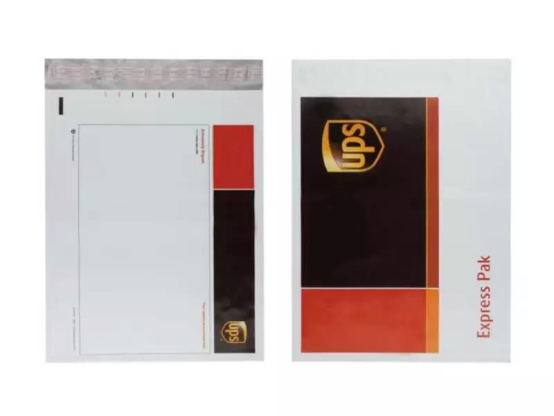
Modern supply chains require packaging that balances structural integrity with environmental responsibility. For high-volume e-commerce brands, logistics centers, and postal operators, shipping bags are not merely protective wraps but a crucial brand touchpoint. As global regulations tighten, procurement managers must transition to sustainable packaging without sacrificing performance. Understanding the chemistry and certifications behind sustainable mailers is the key to managing this transition. A highly capable partner like WH Packing provides B2B buyers with the manufacturing scale and technical compliance. This support is necessary to execute these green initiatives across global distribution networks.
I.The Polymer Composition of Eco-Friendly Mailers
Evaluating the eco-friendliness of plastic courier bags requires analyzing the origin and lifecycle of the raw polymers. Traditional mailers rely on virgin low-density polyethylene (LDPE) for flexibility and tear resistance. Sustainable alternatives, however, leverage recycled resins verified by the Global Recycled Standard (GRS). These sustainable materials are generally categorized into three distinct types depending on their source and processing.
First, pre-consumer recycled materials utilize post-industrial waste, such as clean manufacturing scrap and trimmings diverted back into the extrusion line. Second, post-consumer recycled materials incorporate plastics that have completed their life cycle. These materials are collected from household or commercial recycling streams and reprocessed into pellets. Both types significantly reduce the carbon footprint and fossil fuel reliance associated with virgin plastic production. Third, fully biodegradable polymers, which degrade under specific composting conditions, represent a highly sought-after solution. These compostable alternatives are particularly preferred in Australia and neighboring regions where strict environmental laws mandate circular material lifecycles. Utilizing these raw materials allows manufacturing facilities to produce durable recycled poly mailers that perform identically to their virgin counterparts during transport.
II.Print Chemistry and Technical Specifications
Achieving eco-friendly status involves more than just selecting a sustainable base polymer; the printing process itself must meet strict ecological criteria. Traditional solvent-based inks release volatile organic compounds (VOCs) during drying, which pose environmental and occupational hazards. High-standard factories instead utilize water-based or soy-based inks. These alternatives reduce VOC emissions while maintaining excellent adhesion and sharp resolution on treated polyethylene surfaces.
When sourcing custom printed mailer bags, technical buyers must balance ink chemistry with bag performance. The printing must withstand friction, moisture, and temperature fluctuations during international transit without smudging or transfer. To achieve this, advanced extrusion lines use corona treatment to increase the surface energy of the film. This process ensures the eco-friendly ink bonds permanently to the substrate. This technical precision is essential for producing high-quality printed poly mailers that preserve brand aesthetics across long transit routes.
III.Balancing Sustainability with Mechanical Durability
A common concern for B2B procurement managers is whether recycled materials compromise the physical strength of the bag. In logistics, a torn bag results in lost items, shipping delays, and increased costs. To prevent these failures, professional manufacturers employ multi-layer co-extrusion technology. By bonding multiple thin layers of polymer together, the resulting film achieves superior tensile strength, puncture resistance, and opacity compared to single-layer alternatives.
This structural reinforcement allows a sustainable mailer to withstand the high-stress environments of major carrier hubs, such as those run by FedEx and UPS. The designs can range from classic white plain poly mailersand vibrant colcred plain poly mailers to functional poly mailers with handle. In all cases, the mechanical properties must meet standardized load-bearing and shear-stress requirements. Consistent testing under ISO 9001 quality management protocols ensures that the bags retain their protective properties throughout the supply chain. This stability holds true even for mailers made with high percentages of recycled content.
IV.Technical Integration of Custom Printed Poly Mailers
Large-scale distribution centers require packaging options that accommodate diverse operational workflows. For high-volume e-commerce and courier systems, deploying certified custom printed poly mailers ensures that automatic barcoding, sorting, and scanning systems operate without interference. High-contrast printing on stable, non-reflective surfaces is required to prevent scanner misreads. Additionally, specialized requirements like transparent poly mailers are often used for inner packaging, allowing quick visual inspections during customs clearance or warehouse sorting.
Choosing a manufacturer with extensive raw material reserves and optimized production machinery guarantees that customized features do not compromise delivery schedules. A factory operating across 27,000 square meters with a monthly output of 100 million units can execute complex high-volume orders while maintaining strict internal quality standards. This manufacturing capacity ensures that large enterprise clients receive consistent product thickness, secure hot-melt adhesive seals, and reliable peel-and-seal strips on every single run.
V.Selecting the Right B2B Manufacturing Partner
Vetting an OEM or ODM partner for global packaging supply chains goes beyond comparing unit prices. Procurement teams must evaluate the manufacturer’s entire quality control infrastructure. From raw material incoming inspections to final tensile strength verification, every step must be documented under a robust quality management system. This level of systematic oversight minimizes the risk of batch-to-batch variation, which can disrupt automated fulfillment processes and cause costly shipping bottlenecks.
Enterprise buyers can confidently secure packaging solutions that align with their performance and sustainability mandates. Sourcing from an established B2B manufacturer ensures supply chain resilience, competitive pricing, and professional end-to-end support. Packaging managers who prioritize certified material authenticity and large-scale manufacturing capability protect their operational efficiency and enhance their brand’s global logistics performance.