
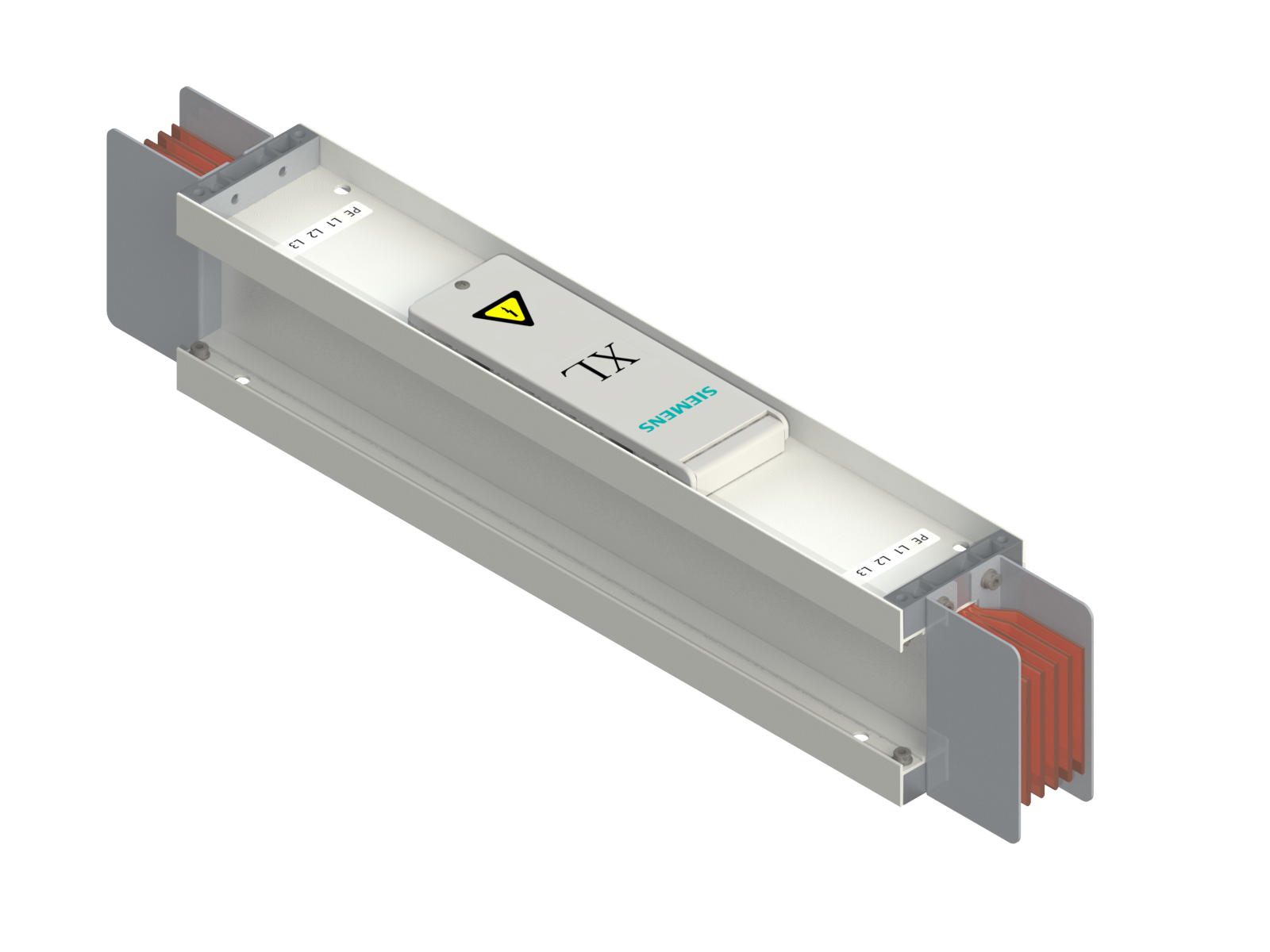
Factory testing forms the core foundation of quality assurance for modern electrical power distribution infrastructure. Ensuring that prefabricated busbar runs operate safely requires rigorous verification before equipment leaves the manufacturing facility.
Compliance with standards like GB/T 7251.6 and IEC 61439-6 helps support long-term performance. Established busbar trunking system manufacturers in China maintain standardized testing protocols to prevent operational failures in commercial, industrial, and utility projects.
Overview of Manufacturing Quality Standards
Every busbar trunking system must undergo factory verification to confirm structural integrity and electrical safety. Mandatory inspections evaluate physical assembly, conductor spacing, and insulation resistance across all manufactured sections.
Producers like Daqo Group implement automated quality management controls to ensure consistency. Standardized factory acceptance protocols verify that each feeder, elbow, and tap-off unit conforms to applicable design and project requirements.
Quality control begins with incoming raw material inspection. Conductors, insulating films, and housing alloys undergo physical verification before entering the assembly line. This preliminary check prevents material defects from affecting final product quality.
Mechanical Inspection and Dimensional Checks
Visual and mechanical inspections constitute the initial phase of routine factory testing. Technicians inspect the housing enclosure for physical defects, paint coverage, and structural rigidity.
Inspections confirm that housing bolts and joint connections comply with torque specifications. Proper mechanical alignment prevents phase bar distortion and ensures seamless mating between adjacent trunking runs.
Qualified busbar trunking system manufacturers in China measure creepage distances and clearances between live parts. Maintaining minimum physical air gaps prevents flashover incidents during high-voltage transients.
Verification of IP protection ratings ensures that enclosures effectively seal against dust and moisture ingress. Properly sealed housings protect internal insulating layers from environmental degradation.
Insulation Resistance and Dielectric Withstand Testing
Electrical verification relies on insulation resistance testing across all active phases, neutral, and ground conductors. High-voltage megohmmeters apply direct current voltages, typically 1000 volts DC, to measure total resistance values.
Insulation resistance readings must exceed minimum threshold requirements set by national and international standards. High insulation readings confirm that insulating films remain free of mechanical punctures or chemical contamination.
Dielectric withstand testing applies an elevated alternating current voltage across conductors for a specified duration. Standard factory routines apply the specified AC test voltage defined by the applicable product standard to verify phase-to-phase and phase-to-earth insulation strength.
Manufacturers such as Daqo Group utilize automated high-potential test stations. These system platforms automatically cut off test power if leakage current limits are exceeded during routine verification.
Passing the dielectric withstand test demonstrates that the insulation layer withstands operational overvoltages. This test prevents insulation breakdown during switching surges or lightning impulse events.
Protective Circuit Continuity and Contact Resistance
Verifying the continuity of the protective earth circuit ensures operator safety during fault conditions. Technicians measure the electrical resistance between the main earthing terminal and exposed conductive housing parts.
Protective circuit resistance must remain extremely low to facilitate rapid operation of upstream protective devices. Low-resistance bonding paths divert fault currents safely to earth without creating dangerous touch potentials.
The electrical contact resistance across conductor joints represents another critical factory measurement. Specialized micro-ohmmeters inject high direct current across bolted connections to measure resistance values in micro-ohms.
Using precise micro-ohm measurements, Daqo Group validates the conductivity of joint assemblies. Consistent low resistance across conductor joints minimizes localized heating during full-load operation.
Quality-focused busbar trunking system manufacturers in China record contact resistance values for every manufactured joint. These recorded baselines serve as reference points for future field maintenance inspections.
Conductor Material and Surface Plating Inspection
Conductor quality directly affects power transmission efficiency and heat generation. Routine quality assurance includes verifying conductor dimensions, copper or aluminum purity, and electroplated coating thickness.
Bimetallic corrosion and surface oxidation can increase contact resistance at joints over time. Depending on the application, tin- or silver-plated conductor surfaces can help reduce oxidation and improve joint reliability.
Advanced testing facilities measure plating thickness using X-ray fluorescence analysis. Verifying coating uniformity ensures durable corrosion protection across the entire busbar length.
Conductor conductivity tests verify that the electrical conductivity of raw materials meets applicable technical requirements. Maintaining high conductivity minimizes resistance losses and maintains thermal equilibrium under full load.
Environmental Sealing and Protection Verification
Busbar runs installed in outdoor or harsh industrial environments require robust ingress protection. Enclosure designs undergo verification to ensure dust and water resistance according to IP ratings.
Gasket integrity and joint sealing are verified during assembly checks. High-density elastomeric seals prevent moisture penetration into internal conductor chambers.
Testing facilities subject sample enclosures to spray and dust chamber testing. Verifying sealing effectiveness protects internal components against harsh environmental exposure.
Enclosures with IP65 or IP54 ratings undergo high-pressure water jet testing. Ensuring seal integrity prevents short circuits caused by water intrusion in outdoor installations.
Functional Verification of Tap-Off Units and Accessories
Tap-off units house protective circuit breakers or fuse switches that connect branch loads to the main busbar run. Routine factory testing evaluates the mechanical interlocking mechanisms of these plug-in devices.
Interlocks prevent the insertion or removal of tap-off units while the internal breaker remains in the closed position. Verifying these safety mechanisms protects maintenance personnel from electrical arc hazards.
Technicians perform mechanical operation tests on internal switching mechanisms. Breakers and disconnect switches undergo multiple manual open and close cycles to confirm smooth mechanical operation.
Electrical continuity across tap-off contacts must be verified prior to packaging. Ensuring firm contact pressure between plugin claws and main conductors prevents overheating under load.
Automated Test Data Tracking and Digital Traceability
Modern testing facilities integrate automated data logging systems into quality workflows. Test instruments record electrical parameters, torque values, and environmental conditions directly into digital databases.
Barcoded tracking labels attached to each busbar section link physical hardware to specific factory test reports. Digital records enable full traceability across the manufacturing supply chain.
Automated data logging eliminates manual recording errors during high-volume production. Digital test archives allow quality teams to review historical testing trends and maintain consistent manufacturing quality.
When client engineers conduct factory acceptance testing, digital records provide verifiable proof of performance. Traceable test data simplifies site commissioning and supports long-term asset management.
Quality Documentation and Final Acceptance
Upon completing verification routines, testing facilities issue formal factory test reports. These documents detail measured insulation resistance, dielectric withstand voltage, contact resistance, and protective continuity values.
Comprehensive documentation provides engineering clients with verification of product compliance. Quality records accompany shipped equipment to support field installation and commissioning processes.
Rigorous routine testing helps improve the long-term reliability and service performance of prefabricated busbar systems. Following standardized testing protocols minimizes site commissioning delays and guarantees power reliability across critical facility infrastructure.